Want to understand poker betting? You’ve come to the right place. We all know that poker is about betting and, hopefully, winning poker chips – but what is the best strategy for betting, and how do you make the most of a good hand? Done right, your betting can actually control the choices the other players make.
If you’d rather watch than read, here’s a video we made about how to bet in poker. The post continues underneath it and goes into more detail on how to make the most of your betting.
How to Bet in Poker – Video
What Is Poker Betting?
Starting with the basics – more advanced players can skip ahead. “Poker” is not one game but a whole genre of card games, and the most popular version is Texas Hold’em, made famous by film and TV.
In Texas Hold’em, every player is dealt two cards to look at but keep secret. You then bet on whether your cards are the best. That’s poker betting. If you’re new to the format, our guide to how to play poker covers the rounds, and the poker hand rankings tell you what beats what.
Betting is the heart of the game, and it’s what most people picture when they think of poker: chips being pushed into the middle of a table. It’s also the part you have to master if you want to win, so taking the time to understand it properly pays off quickly.
Reasons to Bet in Poker
Betting your chips is how you win more of them – you have to risk something to win something. If you try to cruise through a game without really betting, you’ll just bleed chips from the blinds until you run out.
Sometimes the best defense really is a good offense. As we’re about to see, betting can even be used to control the other players and push them into playing less aggressively. There are generally two reasons to bet: to control the pot with a blocking bet, or to build the pot with a value bet.
Blocking Bet
You can guide your opponent’s choices and control the pot simply by betting. Sometimes you’re dealt a hand that isn’t great yet but could turn into something with the right community cards, so you want to see a flop or a turn before committing.
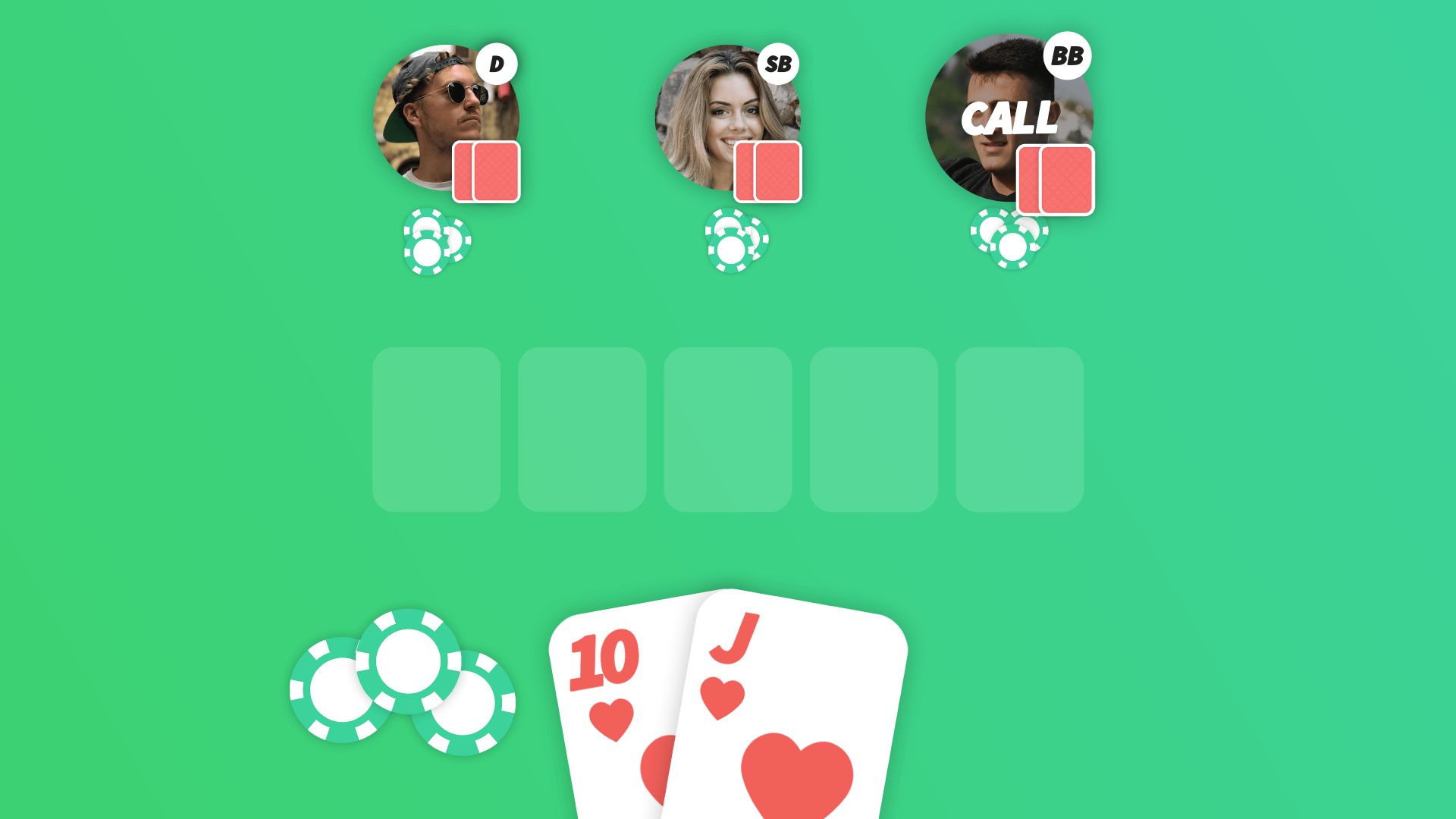
But if you just check or call, players sitting after you who feel good about their own cards can put in a large bet, making it expensive to see that next card. This is when we place what’s called a blocking bet: a small bet, often around a quarter of the pot, designed to have a psychological effect on your opponents.
Small as it is, it shows initiative, and it will usually make opponents think twice before firing a big bet of their own – letting you see more cards without a large investment.
Value Bet
Alright – but what do you do when a genuinely great hand comes along? Say you’re dealt a pair of aces, the strongest starting hand in Texas Hold’em and a big favourite to win the round. How do you play a hand like that?
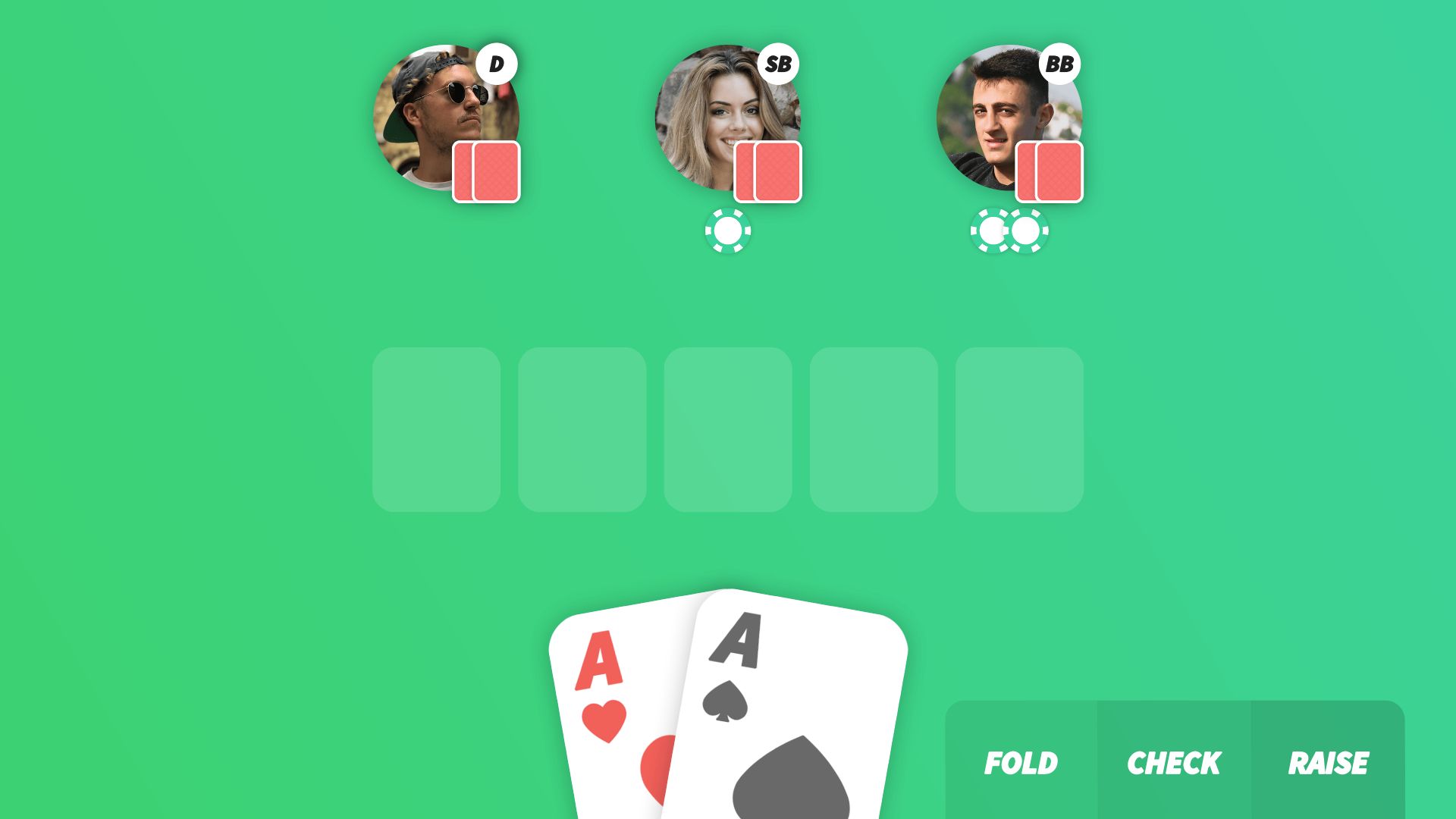
You want to make the most of it and get as many chips into the pot as possible. But you can’t just shove all in – that scares everyone off, they fold, and you win nothing but the blinds. A great hand wasted.
This is when we use what’s called a value bet. The name comes from its job: increasing the value of the pot without scaring your opponents out of it. Bet small enough that calling still feels reasonable to a weaker hand, and let them pay you off across several streets rather than shutting the hand down in one move.
Value Betting Is the Opposite of Bluffing
A value bet is essentially the opposite of a bluff, because this time you actually want the other players to call – or better yet, raise. A bluff is designed to scare opponents off with a bold, aggressive play, forcing them to fold a hand that was probably better than yours.
With a value bet you want them to come along, and ideally to believe the whole thing was their idea and that they’re the ones in control. It’s quite cold when you think about it. But very effective.
Poker Betting Considerations
How much you should bet depends on more than your own cards. You also need to think about the community cards, the player across from you and where you’re sitting – table position changes how much information you have when the decision reaches you. That brings us to the two things worth reading before you size a bet: the board, and your opponent’s playing style.
The Board
Say those pocket aces became three of a kind on the flop. That’s a big hand – but if the community cards are all hearts, the risk of an opponent making a flush is high, and a flush beats your set of aces.
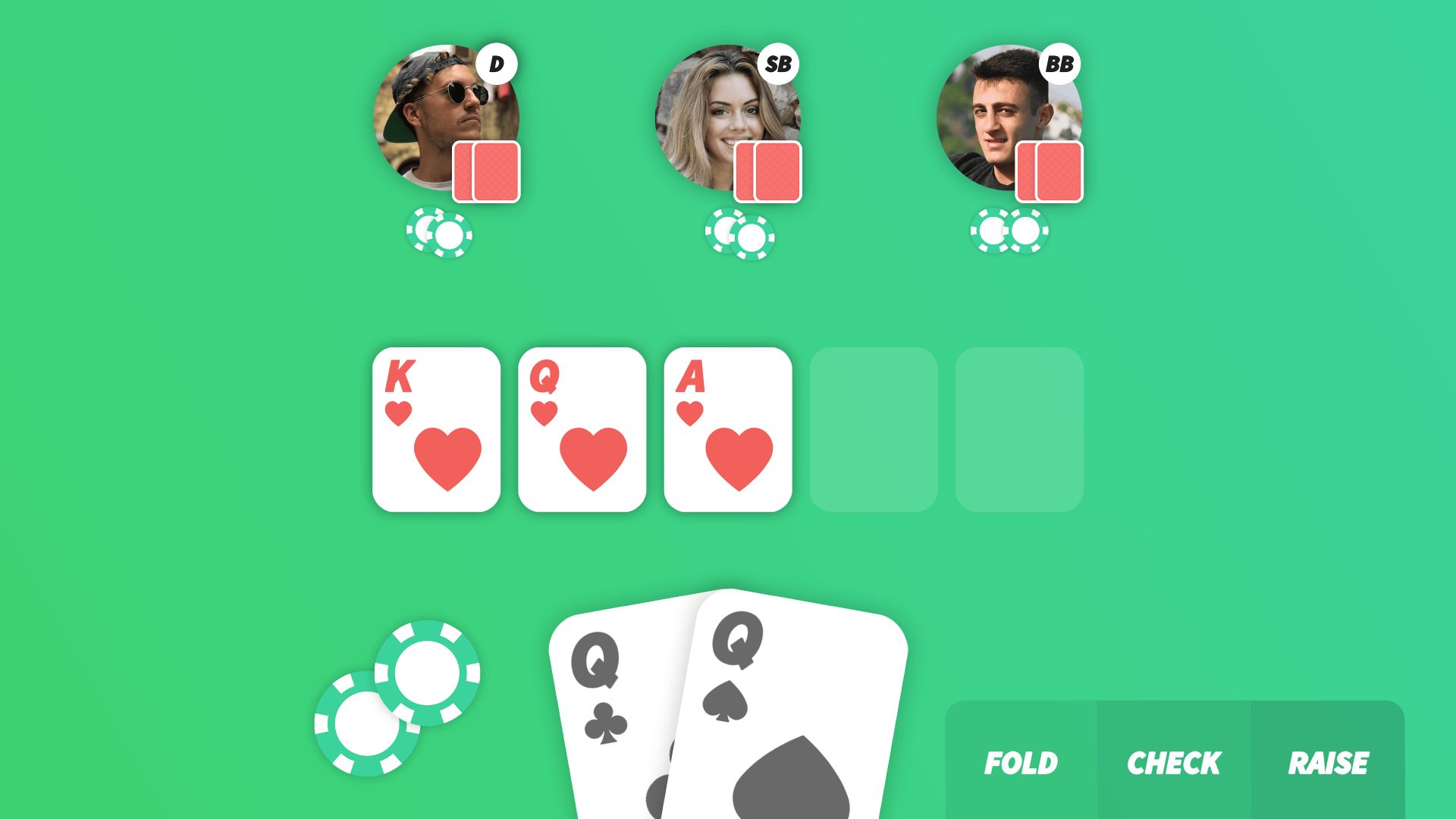
Watch out for boards with cards of the same suit, connected cards or high cards, since any of those can hand your opponents a strong hand. These are commonly called “wet” boards, and on them you want to bet aggressively, charging draws and taking the pot down before someone gets there. But if the board is “dry” – low cards, mixed suits, nothing connected – your set of aces is still comfortably ahead and you can afford to take your time and build the pot slowly.
Opponent’s Playing Style
The last thing to consider when betting a great hand is your opponent’s playing style. Against what we call a “tight player” – someone who doesn’t like to bet or bluff – you’re usually best off playing it slow, so you don’t scare them away before they’ve put chips in.
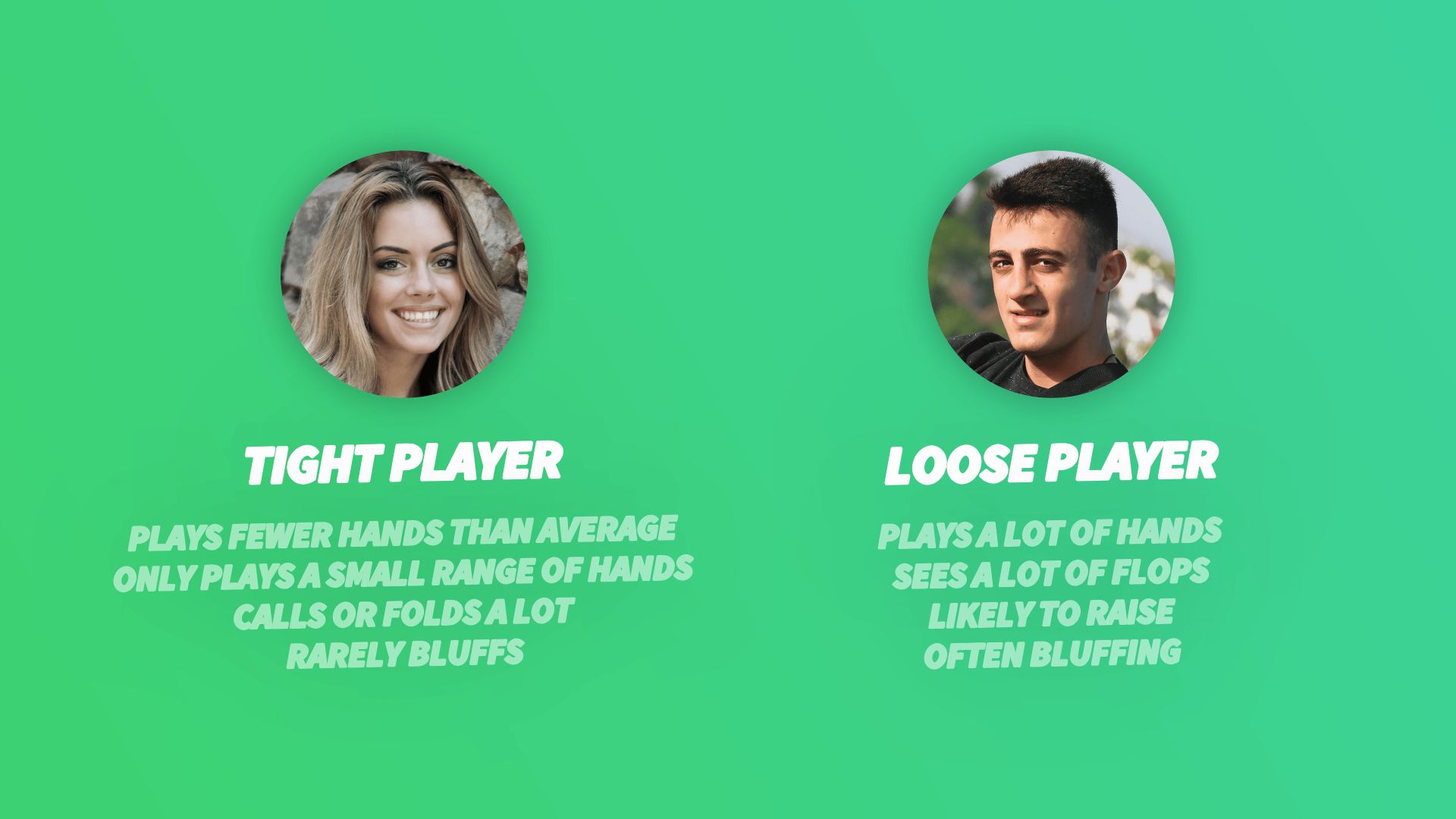
But against a looser, more aggressive player who likes to raise, bluff and see plenty of flops, you can afford to be aggressive yourself, challenging them and letting them pile chips into the pot for you. We explain each of the player types in our guide to poker playing styles.
Digital Poker Set
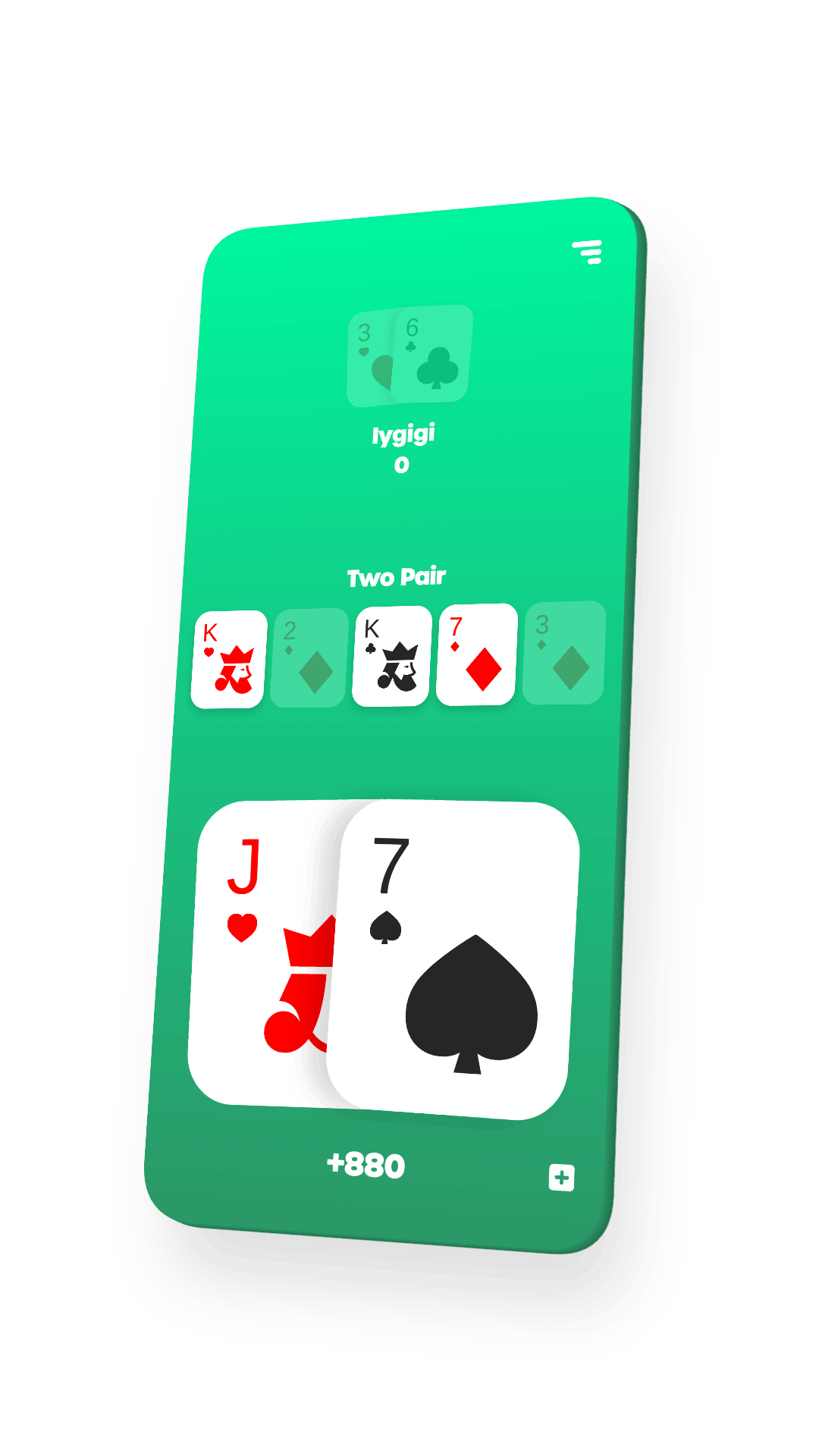
Now that you know the basic strategy of poker betting, try our free EasyPoker app. It’s a digital version of the physical poker set you know and love, except this one is always with you and fits in your pocket.
We don’t facilitate real-money gambling, and a game you create is a private table that only the people you invite can join – so it’s a cheap place to practice bet sizing without anything riding on it. Create a game, share the 4-digit game PIN and deal. Texas Hold’em is free and unlimited. For games with 4 or more players, the host needs EasyPoker Plus.
It’s built for poker nights around a real table, but with features like the built-in voice chat it works just as well when everyone is in a different living room. The app also tracks your hands, so you can check your aggression factor afterwards and see whether your betting is as assertive as you think it is.
More Poker Betting & Bluffing
Now that you know how to use betting to either control or build the pot, your game should improve immediately. But you can also use betting to bluff in poker, which lets you win hands even when your cards are weak.
Bluffing is perhaps the biggest difference between good and great players, and we’ve got the guides and videos for both sides of it: how to bluff, and how to spot when someone else is. Start with our guide to poker tells.
Poker Betting FAQ
What is poker betting?
Poker betting is the act of putting chips into the pot based on your cards, the board and what you think your opponents will do.
What is a blocking bet?
A blocking bet is a small bet used to control the pot and make it harder for opponents to put you under pressure with a larger bet.
What is a value bet?
A value bet is a bet made with a strong hand because you want weaker hands to call and add more chips to the pot.
How much should you bet in poker?
It depends on what you want the bet to do. A blocking bet is small, often around a quarter of the pot, because its job is to keep the price low. A value bet is sized to be called, so it has to stay tempting to a weaker hand. And on a wet board – lots of same-suit or connected cards – bet larger to charge draws for chasing you.
Should beginners bet aggressively?
Beginners should bet with a reason. Aggression is useful when it protects a strong hand, builds value or puts pressure on the right opponent.
Can I practice betting with EasyPoker?
Yes. EasyPoker lets you create private poker games with friends, so you can practice betting strategy without needing physical cards or chips.