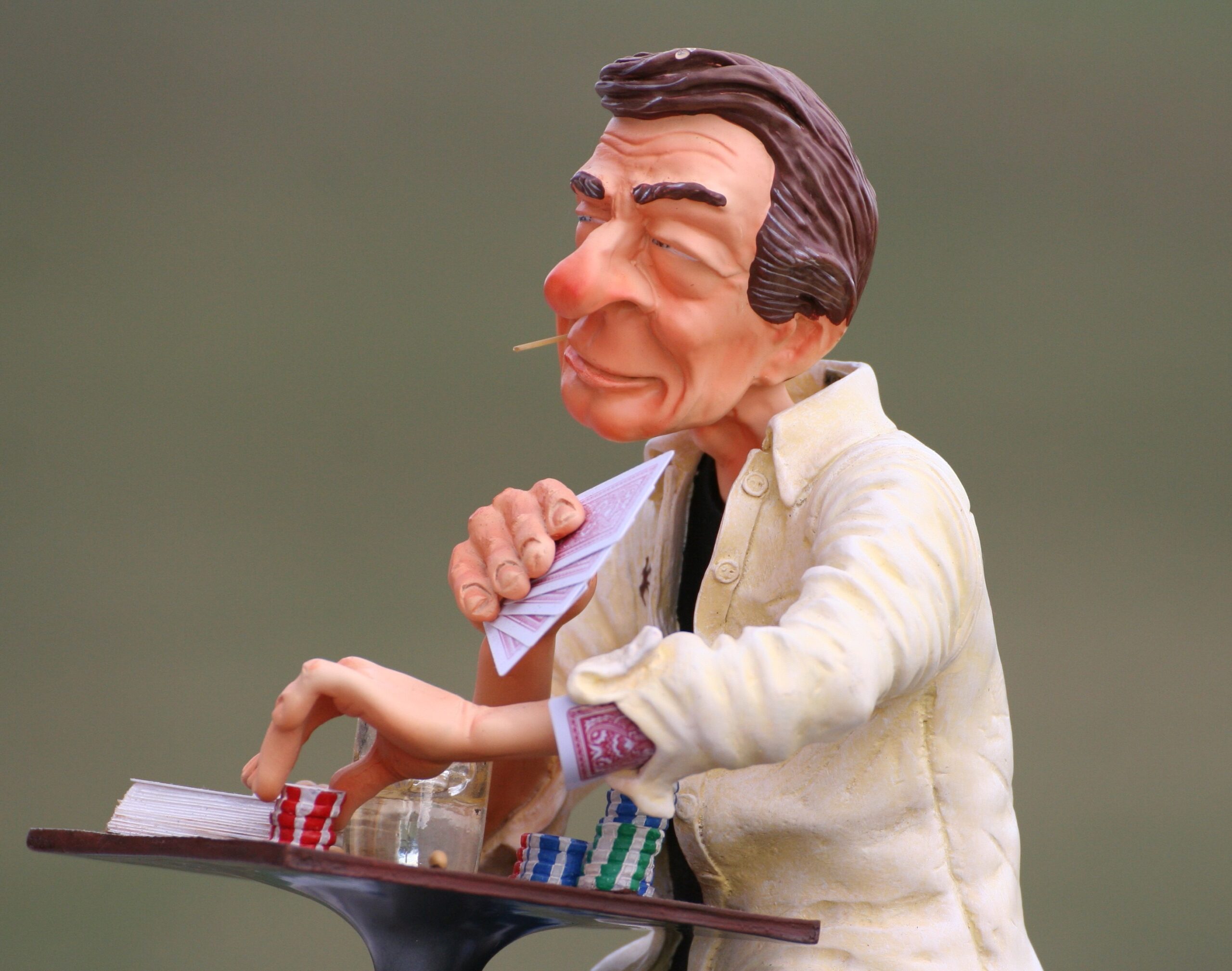
Want to learn how to bluff in poker? You’ve come to the right place. You’ve been playing a while now and you’re starting to get the game: aces are good, a flush beats a straight, and the player dealt the best cards always wins. Right?
Thankfully, no. Poker is played in the mind as much as on the table, and good players know how to win a pot with terrible cards by tricking their opponents into folding a better hand. It’s time we talked about bluffing – and it’s going to make a difference. If you’re still learning what beats what, our guide to poker hands is worth reading first.
If you’d rather watch than read, we’ve made an entire video explaining how to bluff. The post continues beneath it.
Why Bluff?
The perfect hand doesn’t come around often in Texas Hold’em, which means you can’t simply shove all in on the monsters and fold everything else – that’s far too easy for your opponents to read. So the best players switch up their play and sometimes trick opponents into misreading them.
That effort of misleading is what we call bluffing. Done right it keeps opponents guessing and stops them ever getting a real read on you, and it lets you win pots holding nothing. Bluffing is usually split into two kinds: the pure bluff and the semi bluff.
What Is a Pure Bluff?
A pure bluff is when you’re dealt a terrible hand but play it aggressively anyway, to convince the other players you’re holding something big and scare them into folding a better hand.
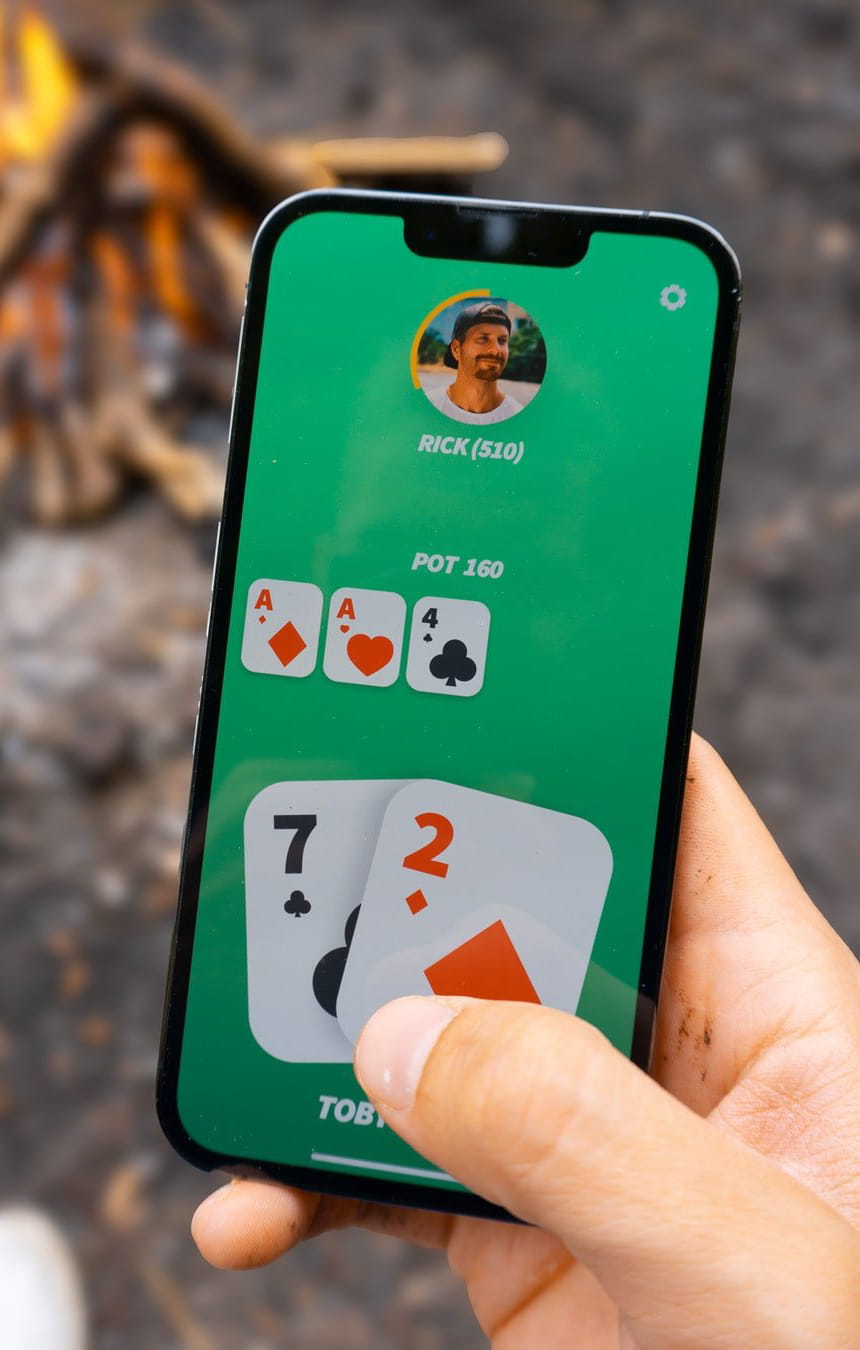
Say you’re dealt 7-2 offsuit, the worst starting hand in Texas Hold’em, which would normally always lose. But you’re in the big blind and already somewhat invested in the round. Raising here might get everyone to fold, so you don’t just save your big blind – you steal a nice little pot as well. A pure bluff is extremely risky, which is why it’s often called a “stone cold bluff”, but a quick win with terrible cards keeps your opponents guessing.
What Is a Semi Bluff?
Less risky is the semi bluff. This is when you’re dealt cards that aren’t good yet but could turn into something if the community cards hit right – a hand like 8-9 suited. It isn’t strong on its own, but they’re suited connectors, so you have a decent chance of making a flush or a straight from the board.
Because you can still win the hand outright even if someone calls, a semi bluff carries far less risk than a pure bluff, and for that reason it’s usually played a little less aggressively.
When to Bluff
When you bluff should vary – never be easy to read. But three factors help you pick the right moment.
1) Number of opponents. The more players in the hand, the more people have to buy your bluff. It is always going to be easier to convince one or two players, than a whole table. You’ll want to limit your bluffing to when you’re up against one or two players.
2) Strength of opponents. Players who are low on chips, or who tend to call rather than raise, may not have the courage to look you up. The chip leader probably will. Consider each opponent’s situation, and make sure you’re not picking the fight with the one player who can comfortably afford to call.
3) Your opponent’s playing style. Every player is different, and you should always factor in who you’re up against. Players who fold a lot are called tight, while players who raise and bluff often are called loose or aggressive – we break all four types down in our guide to poker playing styles. It’s usually more prudent to bluff a tight player than a loose cannon who might call you out of pure curiosity.
How to Sell the Bluff
So you’ve found the perfect spot to bluff – now how do you actually convince your opponent? They’re looking for tells to catch you out, and you’ll want every trick in the book to hide it. Two rules of thumb do most of the work: representing a hand, and the continuation bet.
Representing a Hand
You need to stay aware of how the hand is developing. Keep the community cards in mind and act accordingly: if you’re bluffing a pair of aces on the flop and the turn brings a third ace, you have to double down on your first bet, because the story you’re telling is now three aces.
When you commit to a bluff, forget your actual cards and play the hand you’re pretending to hold. Otherwise good players will spot it and lure you into a trap.
C-Bet (Continuation Bet)
In for a penny, in for a pound. If you bet before the flop, you need to keep betting after it, whether the community cards gave you anything or not.
The last thing you want is for someone to call your opening bet and then coast from there to showdown. A continuation bet shows confidence and initiative; without one, your opponent will read that first bet as exactly what it was. Bet sizing matters here too – our guide to poker betting covers how much to put in and why.
Most Important Rule of How to Bluff
Remember: if you’re bluffing, you need every opponent to fold. The last thing you want is an awkward showdown holding a terrible hand with a pile of chips already invested. Finish the job before that, and get them to tap out.
Practice How to Bluff
So there you go – now you know when and how to bluff. Done correctly it makes a real difference to your game, letting you win pots even when you’ve been dealt nothing.
To practice, try our free EasyPoker app. It’s a digital version of a physical poker set: create a private table, share the 4-digit game PIN, and the app handles the cards, chips and dealing. Texas Hold’em is free and unlimited, and no real money is involved – which makes it a very cheap place to find out whether your bluffs are convincing. For games with 4 or more players, the host needs EasyPoker Plus.
More Tutorials
Poker is a wonderful game – easy to learn, hard to master. To add more tools to your strategy, watch the full playlist we have on YouTube. We tried to keep it light and fun, and it’s in no way overly complicated – it takes you through the most common aspects of poker strategy, from beginner to advanced, in under an hour.
Or head over to our guide to poker tells and how to spot them, so you can sniff out a bluff coming the other way. And if you’re still shaky on the basics, the poker rules are all in one place.
How to Bluff FAQ
What is bluffing in poker?
Bluffing is when you play a weak hand aggressively to convince opponents that your hand is stronger than it really is, so they fold.
What is the difference between a pure bluff and a semi bluff?
A pure bluff has little chance of improving and mainly relies on making opponents fold. A semi bluff can still improve into a strong hand if the right cards come.
When is the best time to bluff?
Bluffing is usually better against fewer opponents, against players likely to fold, and when your betting story matches the cards on the board.
What is a continuation bet?
A continuation bet is when you bet again after the flop because you were the aggressor before the flop. It shows confidence and keeps pressure on your opponent.
Can beginners practice bluffing with EasyPoker?
Yes. EasyPoker lets you create private poker games with friends, making it easy to practice bluffing in a relaxed setting without physical chips or cards.