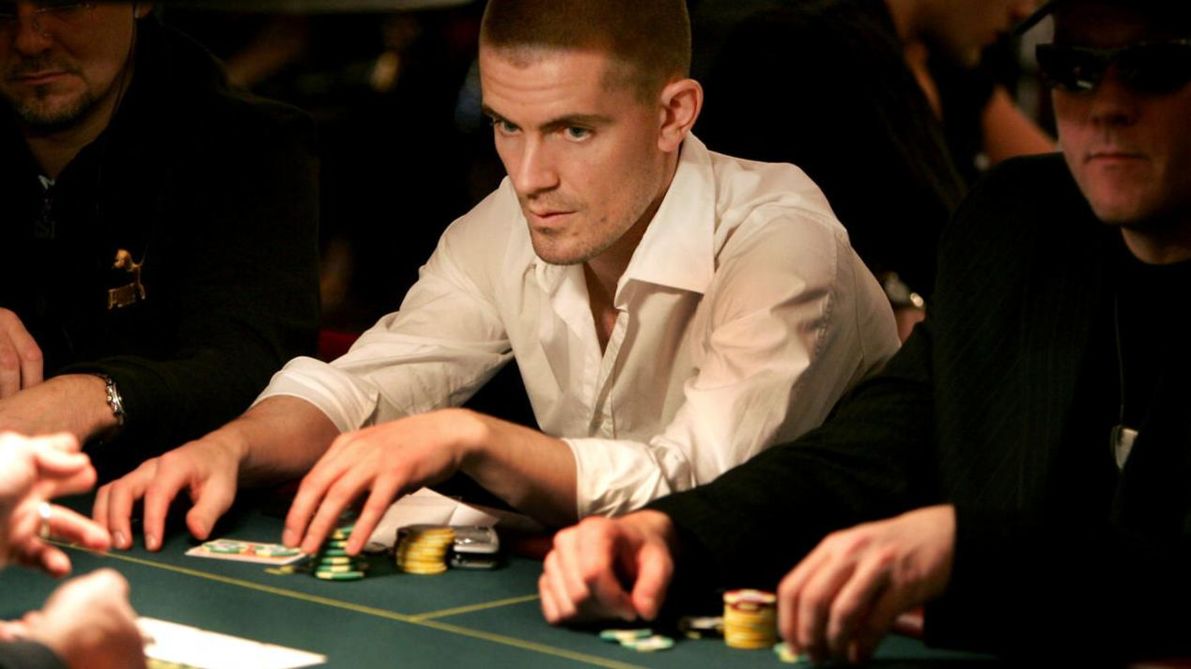
Gus Hansen has one of the wildest careers in poker. A child prodigy who went from the top of the world to losing more than 20 million dollars and, by most accounts, taking a regular job as an accountant. A meteoric rise and an unreal fall.
This is the story of an absolute legend, Gus Hansen. We’ve also made it into a video, if you’d rather watch than read – the text continues below it.

Early Life
Gustav B. Hansen was born in Copenhagen, Denmark on February 13, 1974. An only child, he showed real potential early, and for most of elementary school he was homeschooled by his mother and aunt.
Gus wasn’t only a bright mind – he also dominated the national youth ranks in tennis, and was well on his way to turning pro when a serious injury ended that plan. Frustrated and looking for a new outlet for a very competitive streak, he started playing backgammon, a game his father had taught him.

From Backgammon to California
He spent an entire summer on it, perfecting the strategy, and once again proved a natural – he beat essentially everyone who sat down opposite him. So he started organizing tournaments on school grounds, pulling in the best players in the country, and beat them too, playing at roughly world-champion level as a teenager.
When he wasn’t playing backgammon he was studying. His mother had drilled a hard-working mentality into him and he was especially strong at mathematics. Backgammon wasn’t a lucrative career, so Gus used those maths skills to land an academic scholarship, figuring a degree in accounting would suit him. Always after a new challenge, and having beaten every backgammon player in Denmark, he enrolled at the University of California, Santa Cruz.
Introduction to Poker
So Gus was in the US, enjoying California. One evening he was invited to a friend’s weekly poker tournament. The game was Texas Hold’em, which he had never played, and his friends assumed he would be an easy win. He picked the game up fast, started experimenting with different approaches, and by the end of the night he was the last player standing. He was hooked for good.
He began playing regularly at the local Ocean View Card Room. He clearly had a talent for it, but he could also see how far he still had to go, and rather than discourage him that only fed the obsession.
Two years into college, Gus had to return to Denmark for military service – at the time most young Danish men completed at least nine months of basic training.
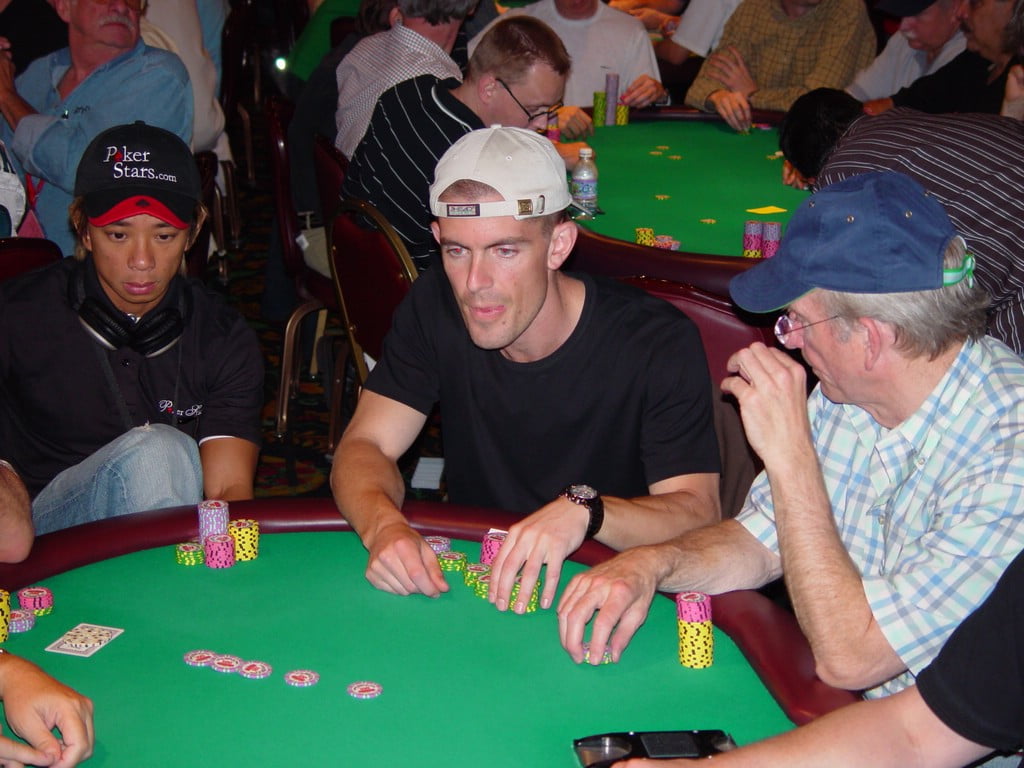
He spent the downtime playing poker against the other recruits, still experimenting, and branching into Omaha, Razz and Seven-Card Stud along the way. He kept improving, and when the training finished he was on the next flight back to the US.
Developing the Gus Hansen Poker Style
Gus flew to New York to chase the game properly, and the first couple of years were hard on the young Dane. He played mostly cash games, and made his first World Series of Poker appearance in 1996, where he busted early. He’s often described as an overnight success, which skips over this stretch entirely.
He didn’t stop. Determined to improve, he committed to a bold idea: play such a wide, unpredictable range of hands that reading him became impossible. He’d see a lot of flops with genuinely odd starting poker hands, and back them with confident, aggressive play after the flop. He wasn’t remotely afraid of a big bluff.
What he built is the textbook version of loose-aggressive play, one of the four poker playing styles – and still the one most beginners misread as recklessness.
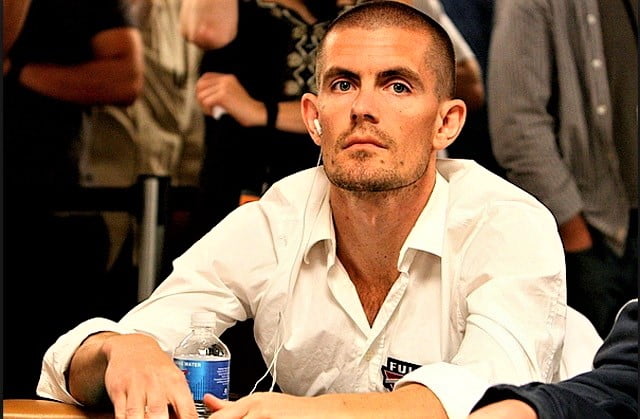
This was the birth of the Gus we know. As he once put it: “I’ve raised with cards less attractive than what’s in my toilet after I took a dump in it.”
He started flying to Las Vegas for the bigger games and finally got some traction. He lost plenty of hands, but more than made up for it on the ones he won, and the poker community started paying attention.
Breaking Through at the World Poker Tour
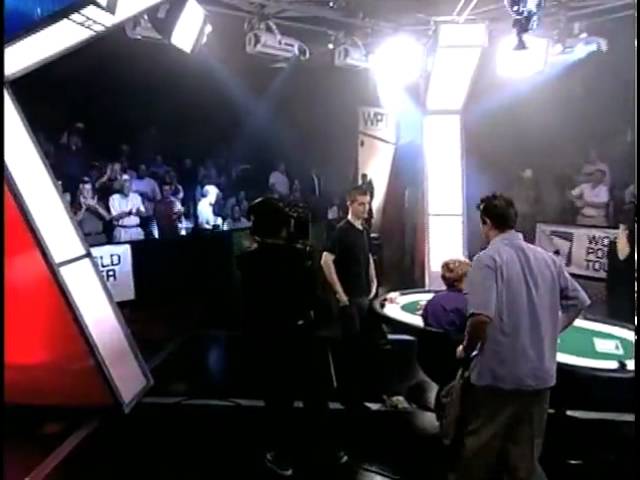
In 2002 Gus took his loose-aggressive game back to tournament poker at the World Poker Tour’s Five Diamond World Poker Classic. He cleaned up, beating all 146 opponents and taking home $550,000. He and his new style were clearly onto something.
Gus Hansen’s Poker Career
After the World Poker Tour win, Gus wanted to prove it wasn’t beginner’s luck and cement a place among the greats. In 2003 he did exactly that, winning the WPT LA Poker Classic for half a million dollars and the respect of the poker world.
PokerChamps and Peak Fame
Gus was making a real name for himself and wanted to diversify. That same year he launched an online poker room, pokerchamps.com. It picked up a few thousand users quickly, but he struggled to balance running a site against travelling the world to play. He sold it to Betfair, reportedly for around $15 million – not bad for a two-year venture.
He wasn’t slowing down either. In December 2003 he finished third at the Five Diamond World Poker Classic, and a month later took his third WPT title at the PokerStars Caribbean Adventure. The mix of a wild style, serious winnings and good looks made him one of the most famous players alive; in 2004 People magazine named him one of its Sexiest Men Alive.
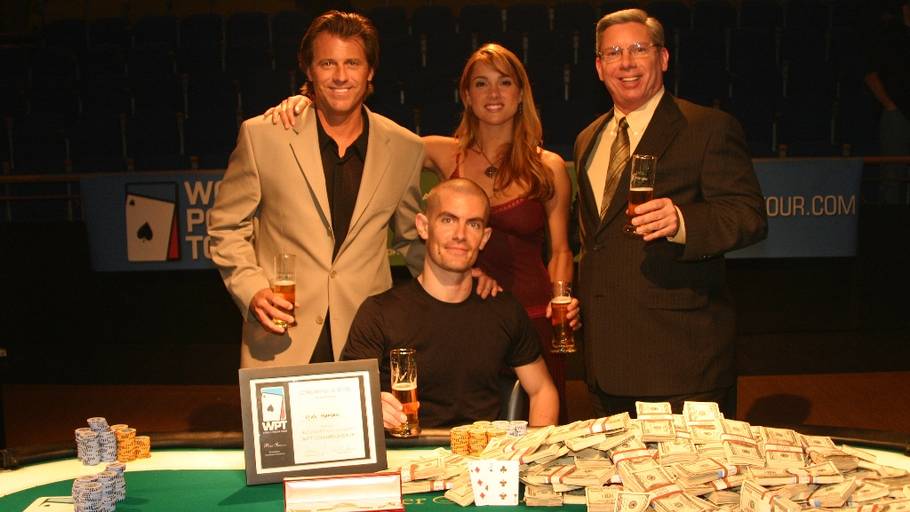
In 2005 he was invited to the Poker Superstars Invitational, a serious event with a $400,000 buy-in, against legends including Doyle Brunson and Phil Ivey. Gus took it by storm and won, collecting the million-dollar top prize.
He kept turning up at the biggest tournaments. In 2007 he flew to Australia for the Aussie Millions, placed top ten in most of the side events, and won the main event for roughly $1.5 million. He wrote a book about that run, Every Hand Revealed, which sold well in both Denmark and the US.
At this point everything he touched turned to gold, and the biggest score of his career was still coming. In April 2008 he played the $25,000 WPT Championship and, despite finishing second, walked away with $1.7 million.
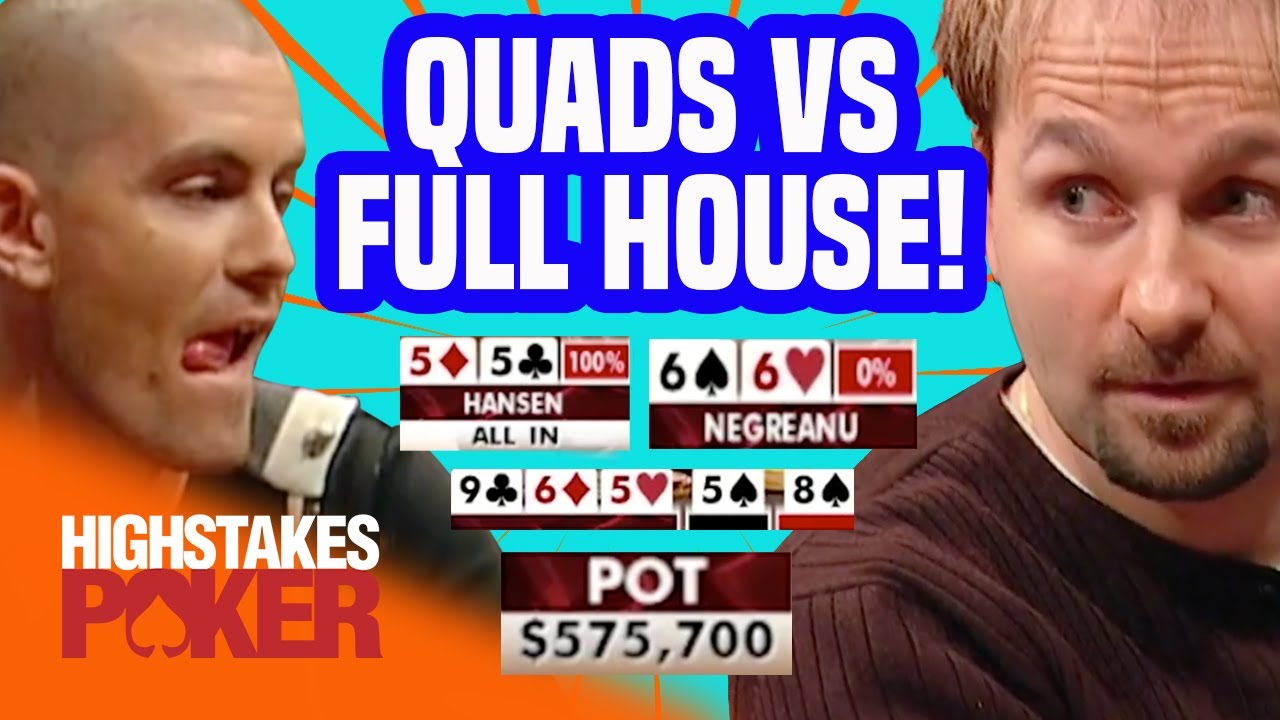
Despite having won more than $7 million in live tournaments by then, Gus still considered cash games his specialty. Most poker fans remember his showdown against Daniel Negreanu in season two of High Stakes Poker. Both players had huge hands, but Gus turned quad fives against Negreanu’s full house and took a record pot of $575,000.
Shortly after that show he signed a sponsorship with Full Tilt Poker. He appeared in their videos, wore their logo at every table, and in exchange Full Tilt backed him financially while he played exclusively on their site. That backing matters later.
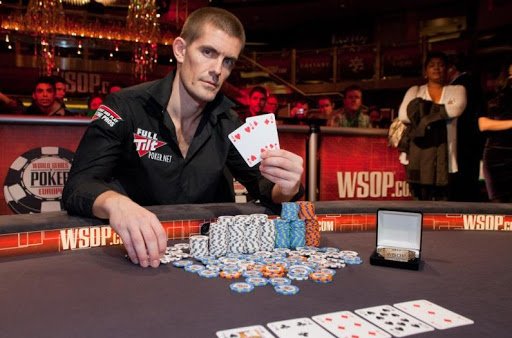
2010 was a big year. Gus finally won his first World Series of Poker bracelet, taking the No Limit Hold’em Heads-Up event and more than $450,000 to go with the gold. He topped the year off by winning $1 million at Poker Million IX.
The Downfall of Gus Hansen
His last major live result came at the 2012 Aussie Millions $250,000 No Limit Hold’em Challenge. He reached the final table and finished third behind Patrik Antonius and Phil Ivey. He wanted the win, but third paid $820,000, so it was hardly a disaster.
It marked a turning point all the same. After that Gus struggled. He still won here and there, but no longer enough to support himself.
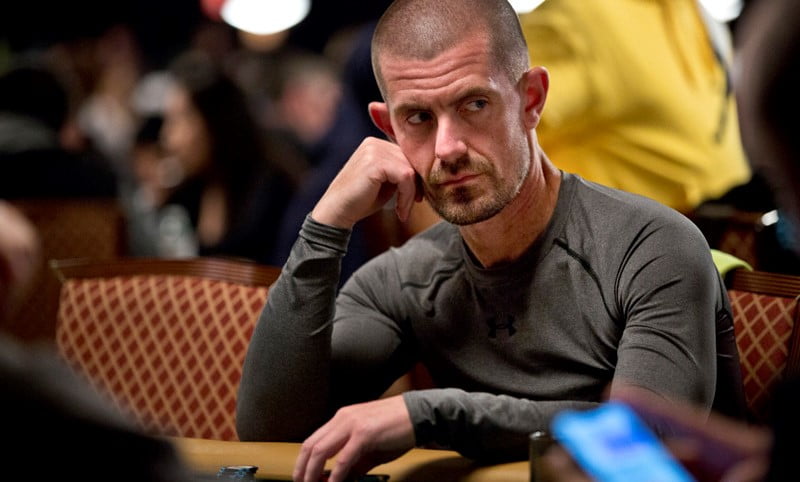
“I think every competitive player has to question himself at some point and ask ‘has the game surpassed me? Am I rusty? Am I not good enough in this game anymore?’ I’m asking myself questions and that keeps me up at night.” he told PokerNews.
The Online Losses
Worse, Gus was losing heavily online. Without Full Tilt’s backing behind him he was burning through his own money, and the sites that track high-stakes online play put his losses at more than $21 million – the largest figure anyone has recorded in tracked online games.
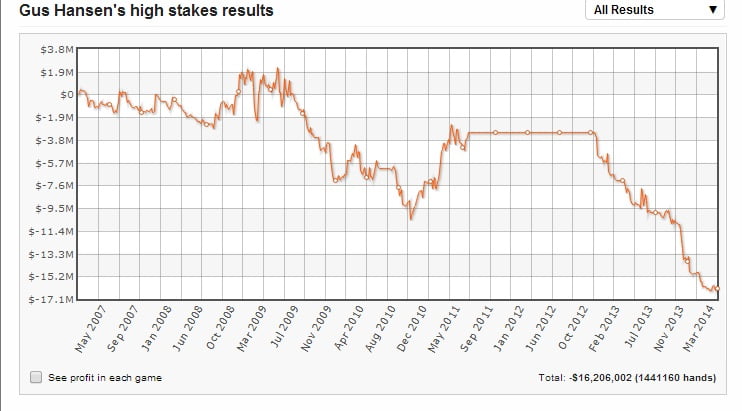
“It’s the same game and the same opponents. But when you sit in front of a screen you cannot see your opponent, you just have to push some buttons. And apparently I’m not as great at that”, he told a Danish newspaper.
It’s a revealing line from a player whose whole edge was reading people. Take away the faces and the tells, and the thing that made him famous simply isn’t there any more. Unable to support himself through poker, Gus reportedly went and got a regular job as an accountant – the degree he’d lined up decades earlier, finally getting used.
Where Is Gus Hansen Now?
Steady work reportedly let Gus stabilize his finances and gave him some perspective, though a nine-to-five is a long way from life as a poker celebrity.
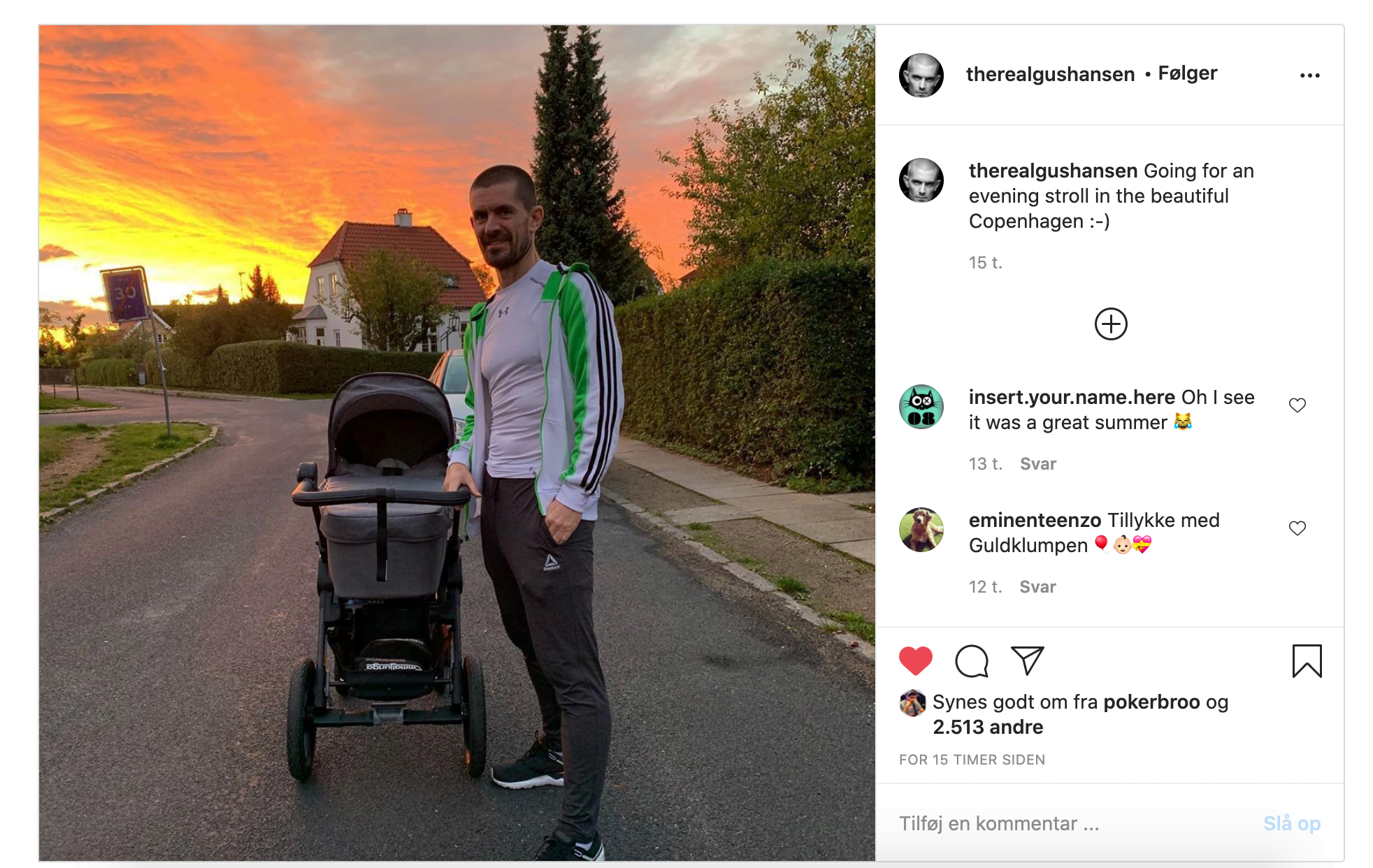
Maybe for that reason he drifted back to the tables a couple of years later, playing smaller tournaments and once again financing his life through poker. As of this writing he lives in Monaco and travels to play, while looking for a new home back in Denmark. In October 2020 he and his partner Malan had a child, which makes a full-scale comeback an interesting balancing act.
He’s also not the only Dane to make it to the top of the game – we’ve covered the rest in our piece on Danish poker players.
Want to Test Your Poker Skills?
Before losing it all, Gus Hansen built a fortune and a brand on pure talent for this game. If you and your friends want to test your own, try our free app, EasyPoker.
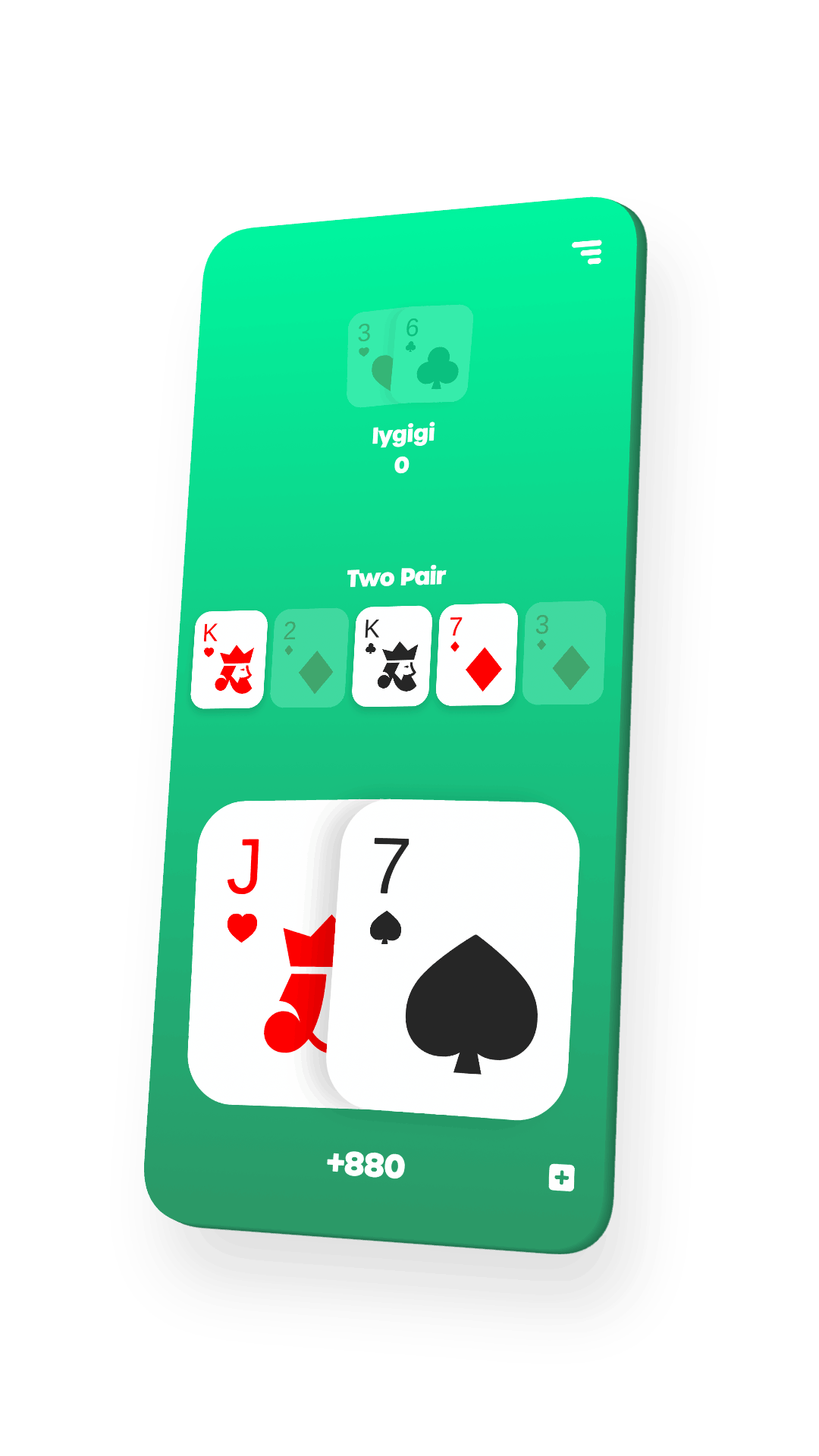
It’s a digital version of a physical poker set and the easiest way to play with friends, with no chips or playing cards needed. You create a table with a single tap, and friends join by typing the four-digit game PIN on their own phones. EasyPoker deals Texas Hold’em, Omaha, Short Deck (6+) and Reverse Hold’em, whether you’re all in the same room or spread across the country.


More Poker Player Stories
We keep adding to our library of poker player stories. There’s Dan Bilzerian, the poker playboy whose claimed winnings are as loud as his Instagram, and whose legitimacy as a player is still argued over. Or Daniel Negreanu, who sat across from Gus in that famous quad-fives hand, and Chris Moneymaker, the amateur who set off the boom Gus rode to fame.

If you have something to add to the Gus Hansen story, or a suggestion for who we should profile next, get in touch.
Gus Hansen FAQ
Who is Gus Hansen?
Gus Hansen is a Danish professional poker player, born in Copenhagen on February 13, 1974, and nicknamed the Great Dane. He won three World Poker Tour titles, a World Series of Poker bracelet and the 2007 Aussie Millions main event, and he became famous for an unpredictable loose-aggressive style that made him almost impossible to read.
How much money did Gus Hansen lose playing online poker?
Sites that track high-stakes online play put his losses at more than $21 million, the largest recorded figure in tracked online games. The losses came after his Full Tilt Poker sponsorship, which had previously provided his financial backing, was no longer behind him.
What is the Gus Hansen poker style?
Loose-aggressive. Hansen played an unusually wide range of starting hands and backed them with confident, aggressive betting after the flop, which made it very hard for opponents to put him on a hand. It reads as recklessness from the outside, but it relies on strong post-flop judgement and on reading opponents accurately.
Where is Gus Hansen now?
After stepping back from high-stakes poker he reportedly took a job as an accountant, then returned to smaller tournaments and once again supports himself through the game. He lives in Monaco and travels to play, and he had a child with his partner Malan in October 2020.
Which poker games can you play on EasyPoker?
EasyPoker deals Texas Hold’em, Omaha, Short Deck (6+) and Reverse Hold’em. Reverse Hold’em is our own variant, where the river is dealt first and the flop comes last. For games with 4 or more players, the host needs EasyPoker Plus, which supports up to 12, so a full home game runs from everyone’s phones with the app handling the cards and chips.