Learn how to read the most common poker tells with this simple guide. By the end you’ll know what to look for when you’re playing live poker with friends and family, and what to do about the tells you’re giving away yourself.
Why Tells Matter Again
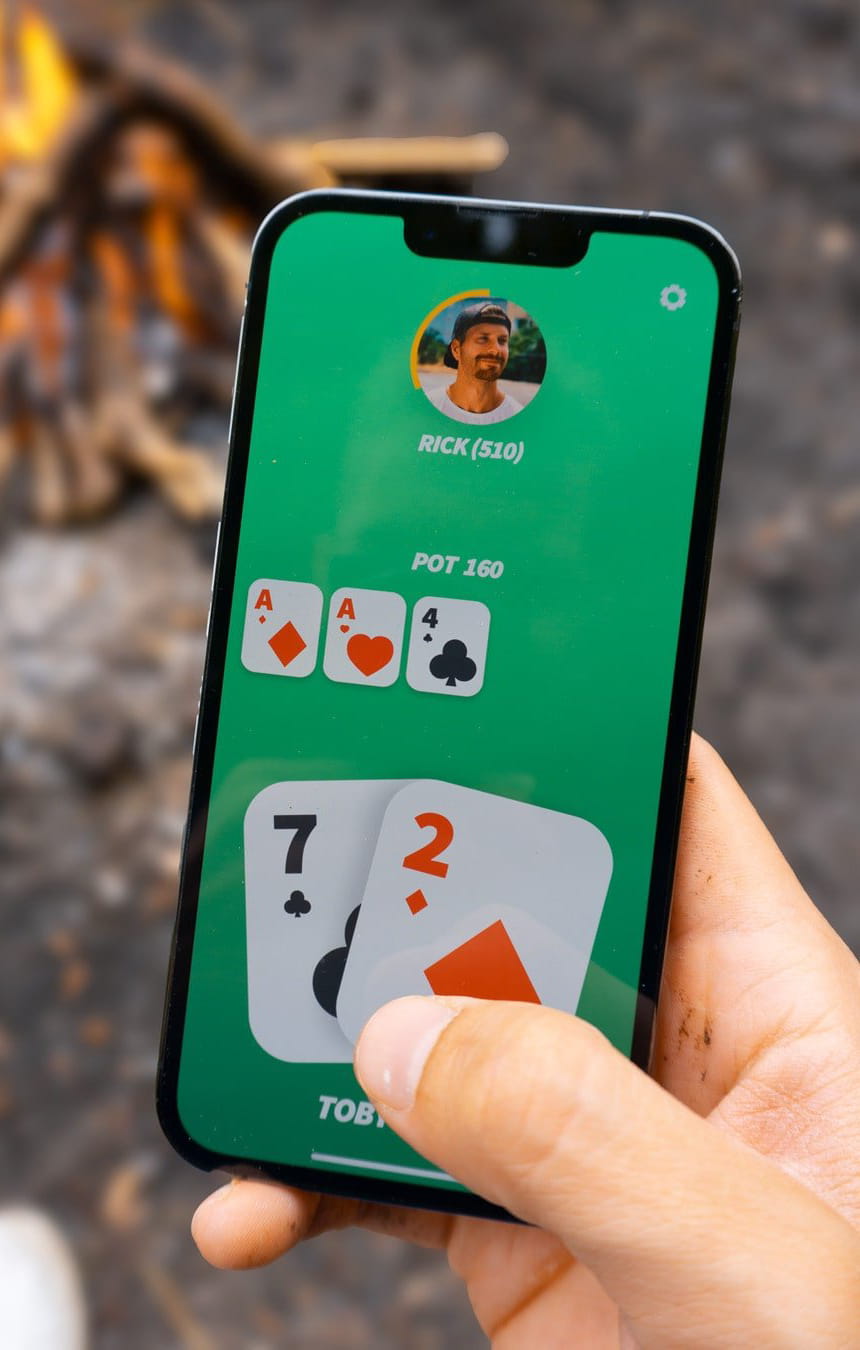
Live poker is becoming popular and accessible again, and EasyPoker is part of that – it lets you run a real poker game with friends and family, with the phones handling the cards and chips so everyone can look up from the table.
After years of sitting alone in dimly lit rooms playing traditional online poker, you have to relearn how to read the people in front of you. And what not to do when you flop the nuts.
We’ll look at the common habits poker players fall into, and at what detectives and interviewers are trained to notice, since it turns out they’re looking for a lot of the same things.


How to Spot a Tell
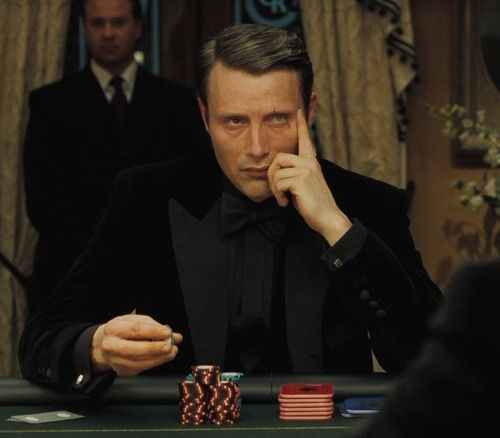
If you’ve seen Casino Royale, you’ll remember Bond working out that Le Chiffre touches his damaged eye when he’s bluffing. Real tells are rarely that cinematic, but the way Bond gets there is exactly right: he doesn’t spot the tell in isolation, he waits until a hand is turned face-up and then looks back at how the player behaved on the way to it.
The film is also honest about the risk. Once Le Chiffre realizes his tell has been read, he shows it deliberately on a hand he intends to win, and Bond loses a fortune to his own read. A tell is evidence, not proof.
So the method is simple, if not easy: watch how your opponents behave, note it, and wait for a showdown to tell you what that behavior was worth. Do it for an evening and you’ll start to see patterns. Do it for a few evenings and you’ll know exactly how to play the people you play with most.
Some common tells to get you started are listed below. If you want the vocabulary that goes with them, our glossary of poker terms and slang covers the rest.
The Most Common Poker Tells
Acting Weak
A very common tell among new players. Sighing, shrugging or pulling a gloomy face usually means the opposite of what it looks like, and often points to a strong hand.
A Straightened Posture
A player who suddenly sits up or shifts in their seat has often just seen something they like. Strength tends to arrive with better posture.
Unusual Speech Patterns
Someone who normally talks a lot going quiet, or a quiet player suddenly chatting, is worth noticing. A change in either direction often follows a big hand.
Difficulty Talking
A bluffing player often has trouble holding a conversation, dodges direct questions, or takes a long time to answer. They’re concentrating on not giving anything away, which is itself the giveaway.
Sudden Impatience
Look out for players who suddenly seem impatient and want to get on with it. Nobody rushes towards a hand they expect to lose.
Overconfidence
A loose, fast, showy bet is often overcompensation. The player wants to look strong, and that eagerness frequently signals the opposite. Our guide to how to bluff covers the other side of this.
Reaching for Chips
A player who noisily gathers chips while you’re still deciding is usually trying to scare you off, and that eagerness to look strong more often means the opposite.
The Freeze
Players who go completely still right after betting are often bluffing. Afraid of leaking a tell, they overcorrect and leak a different one instead.
Suddenly Alert
When a player who’s been drifting through the evening abruptly perks up, they’ve usually got a hand they want to play.
Eye Contact
A strong hand tends to make people calm, and calm people meet your eye. Flickering eyes, or an opponent who won’t look at you at all, more often means a bluff.
Time Taken to Act
A player who takes longer than usual before checking is often weighing up a bet, which suggests they have something. Genuinely weak hands tend to get checked quickly.
Rechecking Their Cards
A player who keeps glancing back at their cards is often confirming a good thing rather than hoping it changed. Watch for it after the flop especially, when they’re checking whether they’ve hit a draw.
Be Aware of Bad Players
You can be the best player at the table and know every tell your opponents have. You have them right where you want them, and then they call your beautiful bluff with nothing, because they had no idea what was happening.
You can’t read a player who isn’t following the game. This is exactly the player you meet at home games with friends and family, and it isn’t a criticism of them so much as a warning about you. Make sure everyone has at least a basic grasp of the rules and hand strength before you start reading anything into their behavior. Running through how to play poker before the first hand is worth the ten minutes, and our poker tips for beginners will get newer players up to speed quickly.
Don’t Be an Actor
Now that you know the common tells, resist the urge to perform them. Fake sighing and theatrical staring will make you look foolish, and even inattentive players will eventually notice that your act only shows up on certain hands.
Use the information the other way instead: think about how to make your own behavior consistent. Take a similar amount of time on every decision, bet the same way whether you’re bluffing or holding the nuts, and there’s simply nothing for anyone to read. Consistency beats acting, which is also the foundation of most solid poker strategy.
Read Poker Tells Like a Detective
Investigators and interviewers need to judge whether someone is being straight with them, and they do a lot of it by watching faces, posture and eyes. The same signals show up at a poker table.
Facial Muscles
Calm people have relaxed faces, and what makes people calm is having things under control and not lying about it. When we run into something we don’t like, the muscles around the face tense up: lips tighten or seem to disappear, cheeks tense, and the nose can lift slightly.
Lips that purse quickly usually mean disagreement, or that someone is thinking about an alternative to what just happened. At a table that might be a bad flop, or something said in passing. The forehead gives a lot away too, and a tense or sweaty one suggests discomfort.
Touching the Face
Face-touching is another sign of distress, whether it’s mild massaging, rubbing or stroking. It’s a fairly reliable signal that something is bothering a person, even if it doesn’t tell you what.
The Eyes
A positive reaction, such as good cards, tends to open the eyes slightly wider and raise the eyebrows a fraction. Something unwelcome tends to narrow them instead.
None of these are certainties on their own. Read them as one input among several, alongside the way a player bets, and remember that position and bet sizing will tell you more than a twitch ever will.
Poker Tells FAQ
What is a poker tell?
A poker tell is an involuntary habit that gives away something about the strength of a player’s hand. It can be physical, like a change in posture or a face-touch, or it can be behavioral, like betting faster than usual or going quiet. The key word is involuntary – a tell is something a player does without deciding to.
What are the most common poker tells?
The ones you’ll see most often at a home game are acting weak with a strong hand, sitting up straighter, a sudden change in how much someone talks, impatience to get the hand played, freezing up after a bluff, and taking longer than usual before checking. Beginners tend to show several of these at once.
Are poker tells actually reliable?
Not on their own. A tell is a hint, not proof, and acting on a single read is how good players lose big pots. Treat tells as one input alongside bet sizing, position and what you already know about that player, and only trust a pattern once you’ve seen it hold up at a few showdowns.
How do you hide your own poker tells?
Consistency, not acting. Take a similar amount of time over every decision, bet in the same rhythm whether you’re bluffing or holding the nuts, and keep your routine identical from hand to hand. If your behavior doesn’t change, there’s nothing for anyone to read – and unlike a poker face, consistency is something you can actually practice.
Which poker games can you play on EasyPoker?
EasyPoker deals Texas Hold’em, Omaha, Short Deck (6+) and Reverse Hold’em. Reverse Hold’em is our own variant, where the river is dealt first and the flop comes last. Because everyone is sitting in the same room with only the cards and chips on their phone, tells work exactly as they do with a physical poker set – you’re still looking at faces, not at screens.