Looking for some poker tips that will take you from beginner to pro? Well, look no further.
We’ve been playing poker for years, and between us we’ve taught most of our friends and families how to play. In our experience these five tips make a world of difference, and they’re the fastest way to jump ahead in your poker journey.
Let’s have a look.
Good Habits Beat Lucky Hands
There’s no right or wrong way to play poker – not one method that will guarantee success. But there are ways and means for you to maximize your chance of winning. There are good habits and bad habits, situations to avoid and situations to seek.
In the end, experience is always going to be the best teacher. But familiarizing yourself with basic aspects and practices will instantly set you apart from other beginners.
1) Know the Basics of Poker
There’s no way around it. Poker becomes a lot easier when you know the basics: the rules, the different hands and what beats what. It loosens up your game and gives you the confidence you need to build and play out a strategy.
It’s a lot easier to place a bet when you know you’re holding a full house and that it beats a flush. This may sound daunting at first, but don’t worry – you really only need to scratch the surface. Our guide to how to play poker covers the rules end to end, and the poker hand rankings are worth committing to memory before anything else on this list.
We’ve made a complete YouTube playlist of six videos that will tell you everything you need to know in less than 30 minutes total. They are easy to understand and have a ton of great visual examples.
2) Stick to Playing Strong Hands
This is something we see in almost every new player. They’re always eager to take part in the action and can’t stop themselves from chasing a bad hand to see what the community cards will make of the two cards they’re holding. But actually, top poker strategy says that most hands should be discarded and folded the minute you’re dealt them.
Most professional players these days practice a tight-aggressive playing style. That means folding most hands preflop but going hard when they’re dealt cards inside a specific top range. Your range is yours to decide, but it’s probably too wide, so look into narrowing it.
Not throwing money after a bad hand will save you a ton of chips and make a huge difference to your game – allowing you to go hard when you get the hands you do want to play. So, unless you’re big or small blind, consider folding a lot more.
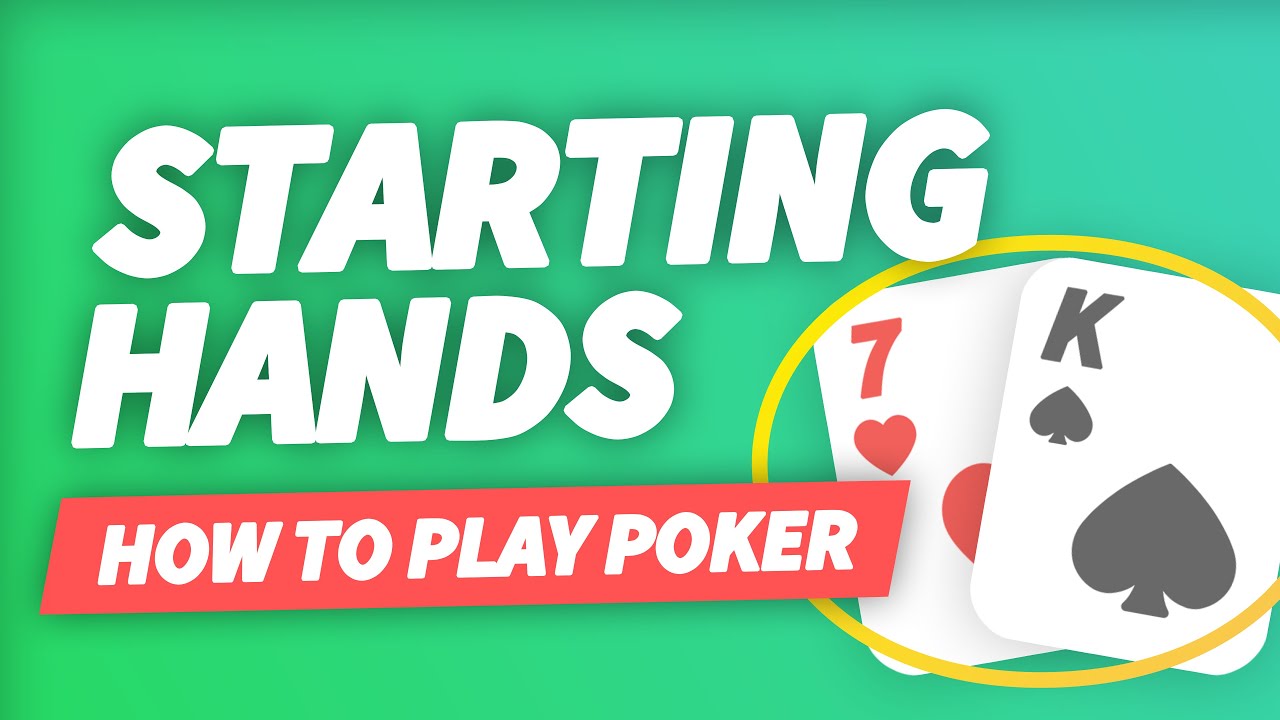
To nail down your own range, check out this short video we’ve made explaining starting hands in poker.
3) Play with Confidence
Confidence is key in poker. Both when bluffing and when playing an actual monster hand. Or at least the impression of confidence.
Good poker players will sniff out insecurity and pounce on it if you get caught betting without faith in your own cards. Habitually calling along tells everyone at the table that you aren’t happy with your hand but are hoping the board will save you.
The preflop version of this has a name: limping, which means entering a pot by just calling the big blind instead of raising. It’s one of the cardinal sins of beginner poker. Raising gets you the blinds uncontested some of the time; limping almost never does, and it invites the whole table in cheaply behind you. There are advanced reasons to limp deliberately, but don’t worry about those for now.
If you have good cards, bet or raise. If you have bad cards, fold. Yes, it’s really that easy. Limping is one of several habits worth unlearning early – we cover the rest in common poker beginner mistakes.
4) Play Poker with Friends
We know, we know. When you’re first starting out it’s very tempting to run down to your local casino and live out your James Bond poker fantasy. But we’d advise against it.
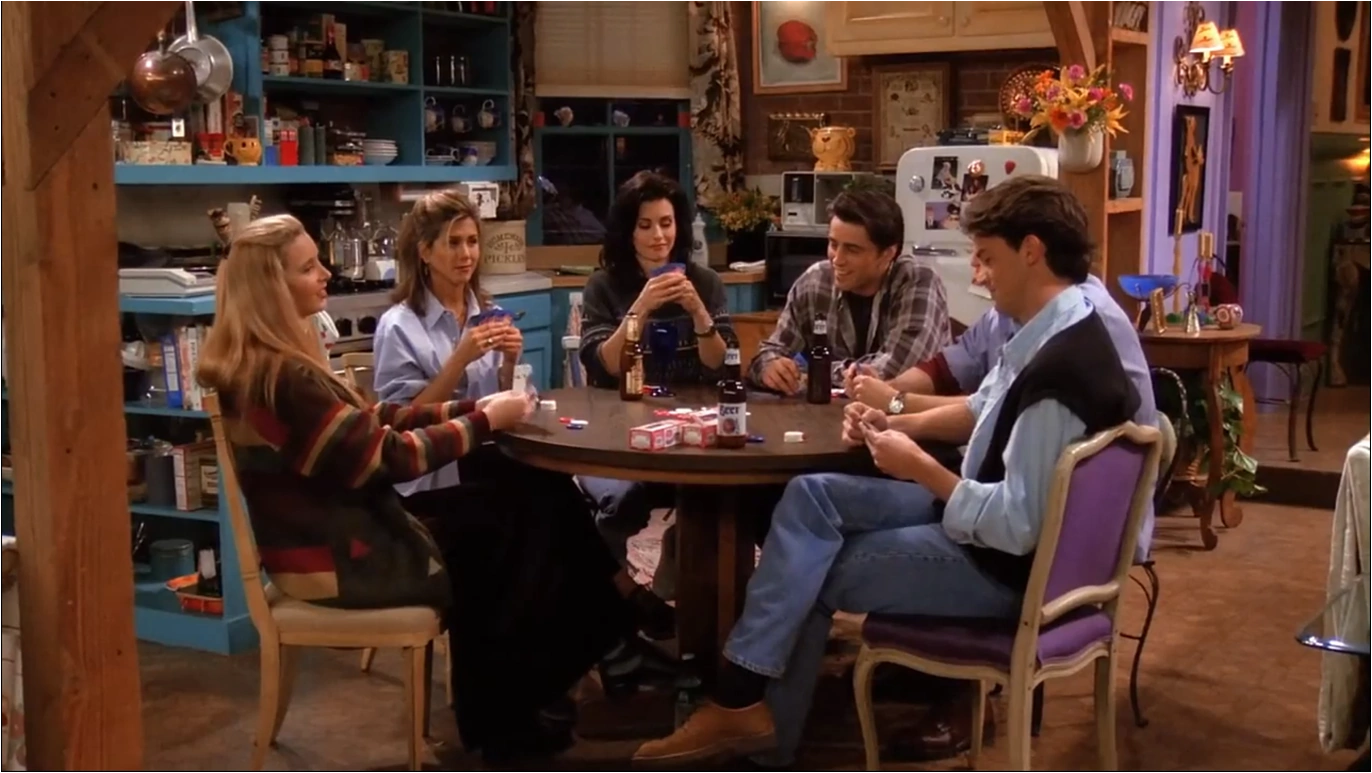
Instead, try to keep things fun and experimental by just playing against friends in a home game over a couple of beers. This cozy sandbox environment is exactly what you need to experiment with different playing styles and strategies. It’s nice to know that you can try out different things without the fear of losing your life savings.
Playing with friends also has the added upside of being able to discuss different aspects of the game or a given hand with someone – which is a good way to learn more and get some instant feedback on your plays.
5) Consider Your Opponent
There is an old saying in poker: “You don’t play the hand, you play your opponent.” A lot of new players fall into the trap of just looking at their cards, then at the community cards and then back at their cards. Look up for God’s sake.
Your opponent’s face and body expression might be telling you exactly what you need to know. And this is not just to determine whether or not they’re bluffing. Paying close attention to the moves of your opponent can also help you tell exactly what hand they have.
Players like Daniel Negreanu have become famous, and feared, for being able to guess and call out an opponent’s exact hand. Pay attention to tempo, to when someone chooses to raise or bet, and to how they react after seeing the flop, turn and river.
And while we’re at it, consider the community cards as well. Not just in relation to your own hand – what might this board provide your opponents? Does it contain a possible flush or straight for someone to have?
Best App for Poker with Friends
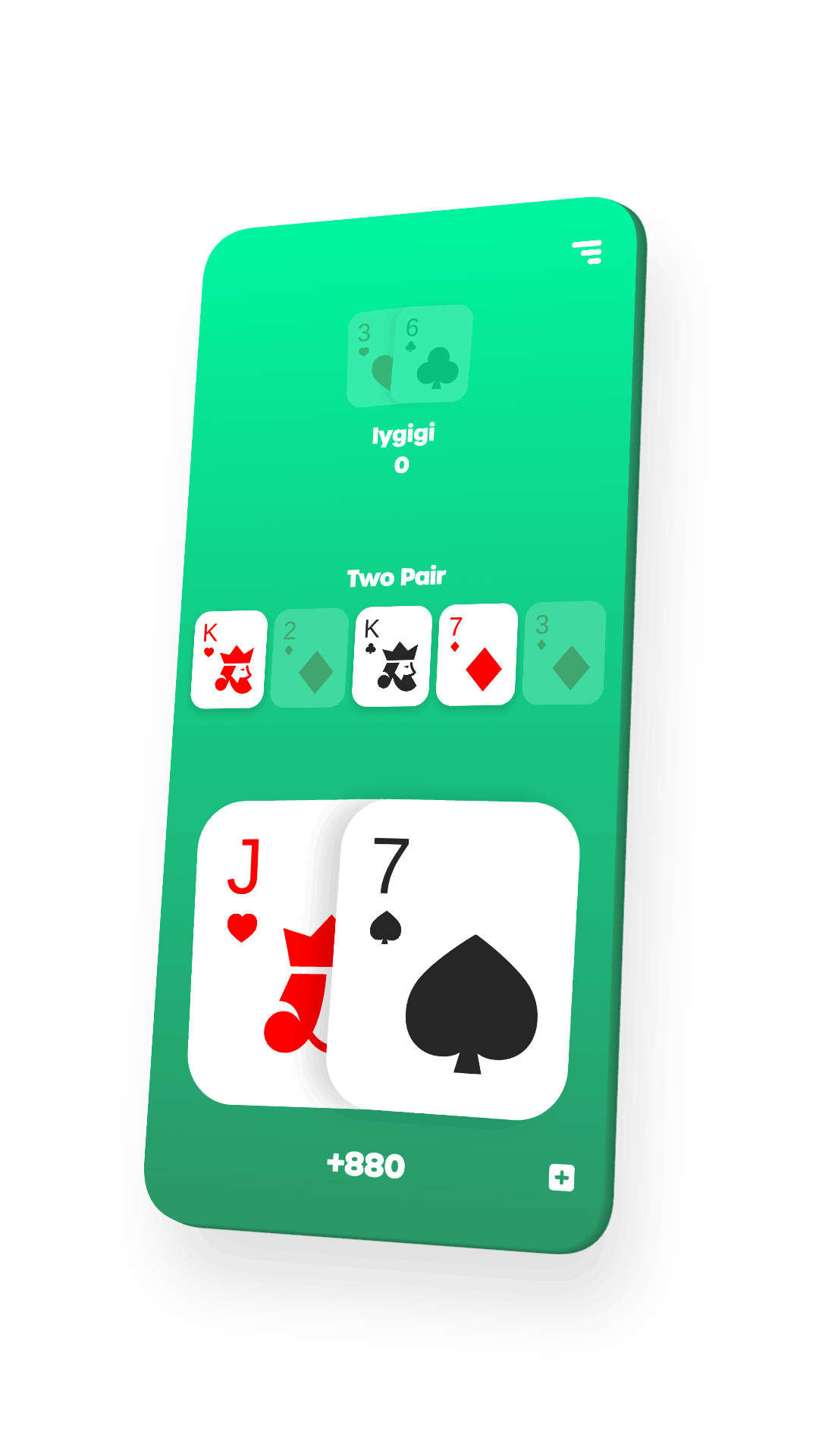
As mentioned at the top, one of the best poker tips for beginners is simply to play a lot of social poker with friends. And with our free EasyPoker app, it’s never been easier to play poker with friends – anytime, anywhere.
The app works like a digital version of a physical poker set and supplies you and your friends with both the chips and the cards, for free. Create a game, share the 4-digit game PIN with your friends and slide to deal. It’s simple enough that anyone can pick it up and start playing right away – no hassle, and no real money involved while you’re still learning. Texas Hold’em is free and unlimited. For games with 4 or more players, the host needs EasyPoker Plus.


More Poker Tips for Beginners
We hope you found these tips useful. We’d love to hear your thoughts, or any tips of your own you think would help someone get better – just reach out to us.
If you’d like to keep going, these are the natural next reads:
- 5 Tips to Win Poker – five more tips, aimed at the point where you’ve stopped losing chips to the basics.
- Poker Beginner Mistakes – the flip side of this post, covering the habits that cost new players the most chips.
- Poker Playing Styles – tight, loose, passive, aggressive and which combination suits you.
- Poker Hand Rankings – the full order of hands, from high card to royal flush.
- Important Poker Stats – once you have some hands behind you, the numbers that show what kind of player you actually are.
Poker Tips for Beginners FAQ
What are the best poker tips for beginners?
The best beginner poker tips are to learn the rules and hand rankings, play strong starting hands, bet with confidence instead of calling along, practice with friends and pay attention to your opponents rather than only your own cards.
Should beginners fold more hands?
Yes. Beginners usually play too many hands. Folding more weak hands helps you save chips and focus on spots where your cards are actually worth playing, which is also what makes an aggressive bet believable when you do make one.
What is limping in poker?
Limping means entering a pot before the flop by just calling the big blind instead of raising. It is generally discouraged for beginners because it shows weakness, invites other players in cheaply, and wins you the blinds far less often than raising would.
Why is playing poker with friends good for beginners?
Playing with friends gives you a more relaxed place to learn, test strategies and discuss hands without the pressure of a casino or a random online table. You also get instant feedback, which is hard to come by playing strangers.
How long does it take to learn poker?
The rules of Texas Hold’em take about ten minutes to learn, and the hand rankings are worth memorizing up front. Getting good takes far longer, which is why playing plenty of low-stakes hands with friends is the fastest way to improve.