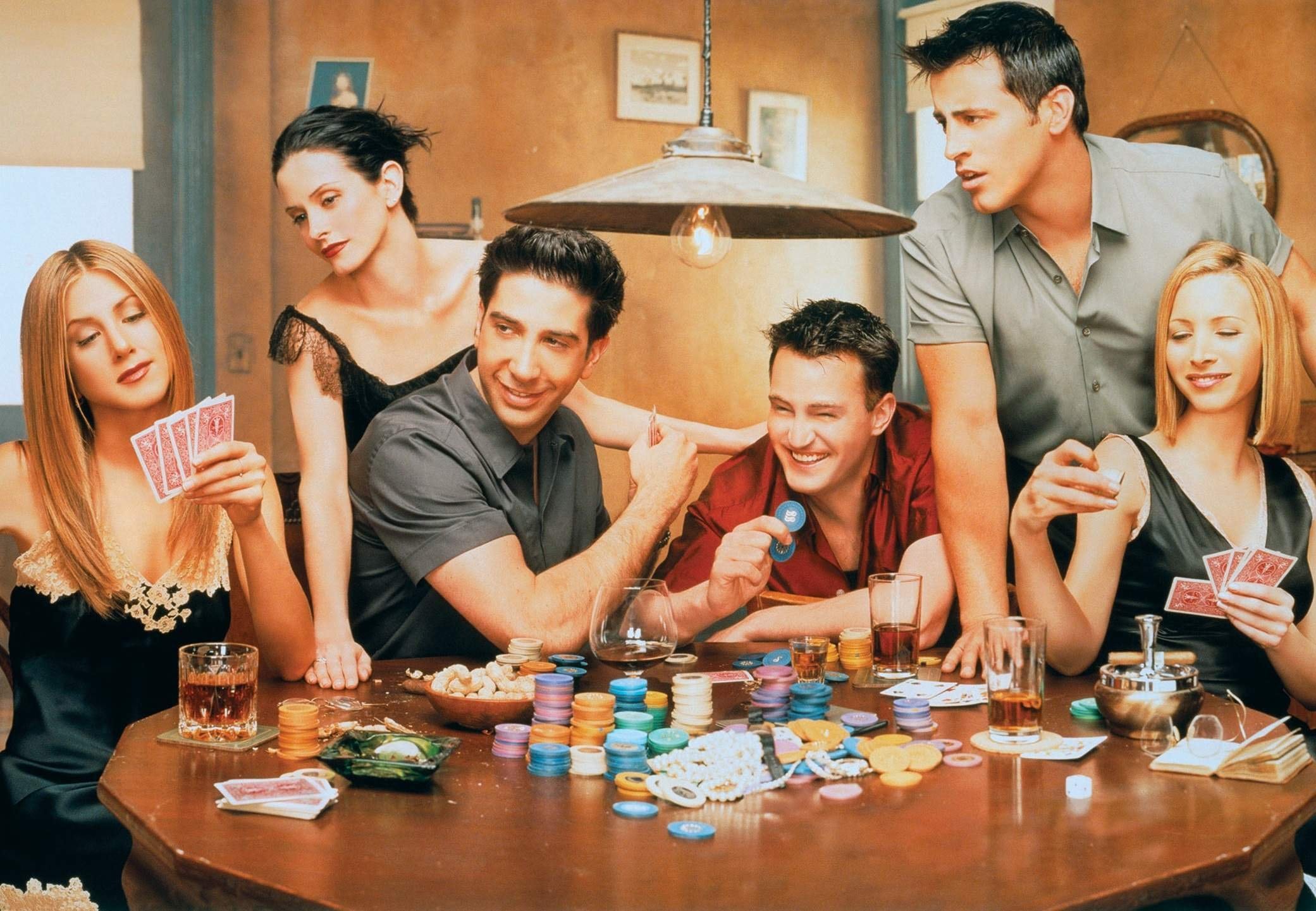
So you’re planning a poker night with friends and family? Good. But a poker night that actually works needs a plan, so we’ve put together a five-step checklist for hosting one – covering the rules, the table, the music, the atmosphere and the food. If you’d rather skip the poker set entirely, our guide to running a poker home game digitally covers that side.
1. Know Your Rules
First, decide which game you’re playing. There are plenty of variants, but Texas Hold’em is the standard and the easiest for a mixed-ability table. From there you need the rules straight, a buy-in figure everyone agrees on, and the poker hand rankings settled before the first deal rather than argued over during it. Our guide on how to play poker has a full video walkthrough if anyone needs a refresher.
Decide up front whether you’re raising the blinds at all, and if so, how often. Every 15 to 20 minutes works well for a home game: short enough that the night doesn’t drag, long enough that nobody gets blinded out before they’ve had a drink. Write the levels down before you start, because agreeing a blind structure mid-tournament never goes smoothly.
Bonus tip: If you plan on having a cash buy-in, then make sure to collect the money up front. This makes sure that no one forgets about it after the game. It’s also very motivating for players when they have actually seen the potential winnings in the pot.
2. Have the Right Facilities
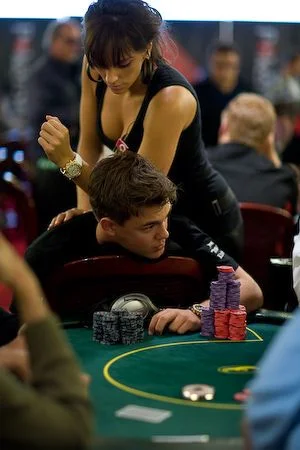
You’ll need a full poker set with cards and chips, or the EasyPoker app instead. Beyond that, a big table and enough chairs for everyone. If you’re a perfectionist, make it round or oval with a green tablecloth. Leave real space per player for chips, cards and a drink – a cramped table is the single most common reason a home game feels chaotic. Six to eight players is the sweet spot for one table; beyond that you’re either splitting into two or accepting that people will be waiting.
And if you want to be remembered as the host, book a massage therapist to drop in partway through the night. It sounds excessive right up until someone is getting their shoulders done while folding pocket kings.
3. Use Music to Set the Tone
Music matters more than people expect. Keep it in the background – it’s there to set a tone, not to be listened to. A mix of jazz, older tracks, some classical and the soundtracks from Casino Royale and Rounders does the job nicely.
Feel free to use our Playlist on Spotify.
4. Create an Atmosphere
Music is a great way to set the tone. But you will also have to create a more casino like vibe in your house. Clean up your place, lower the lights and pull out the heavy Chesterfield furniture (if you have those).
Keep the room dark with a single light over the poker table. LED strips and smart bulbs in warm tones work well for this, and the contrast does most of the work in making a living room feel like a card room.
5. Snacks and Beverages
It is important to have finger foods and snacks such as chips with dip, nuts, crackers, popcorn, pigs in a blanket, pretzels etc. Everything that does not require the player to have a plate will work.
Have both non-alcoholic and alcoholic options. A straight whisky or cognac suits the setting, and a whisky sour is hard to beat if you want something with a bit more going on. Just remember that the players who stay sharpest tend to be the ones still holding chips at the end.
Poker Night Wherever You Are
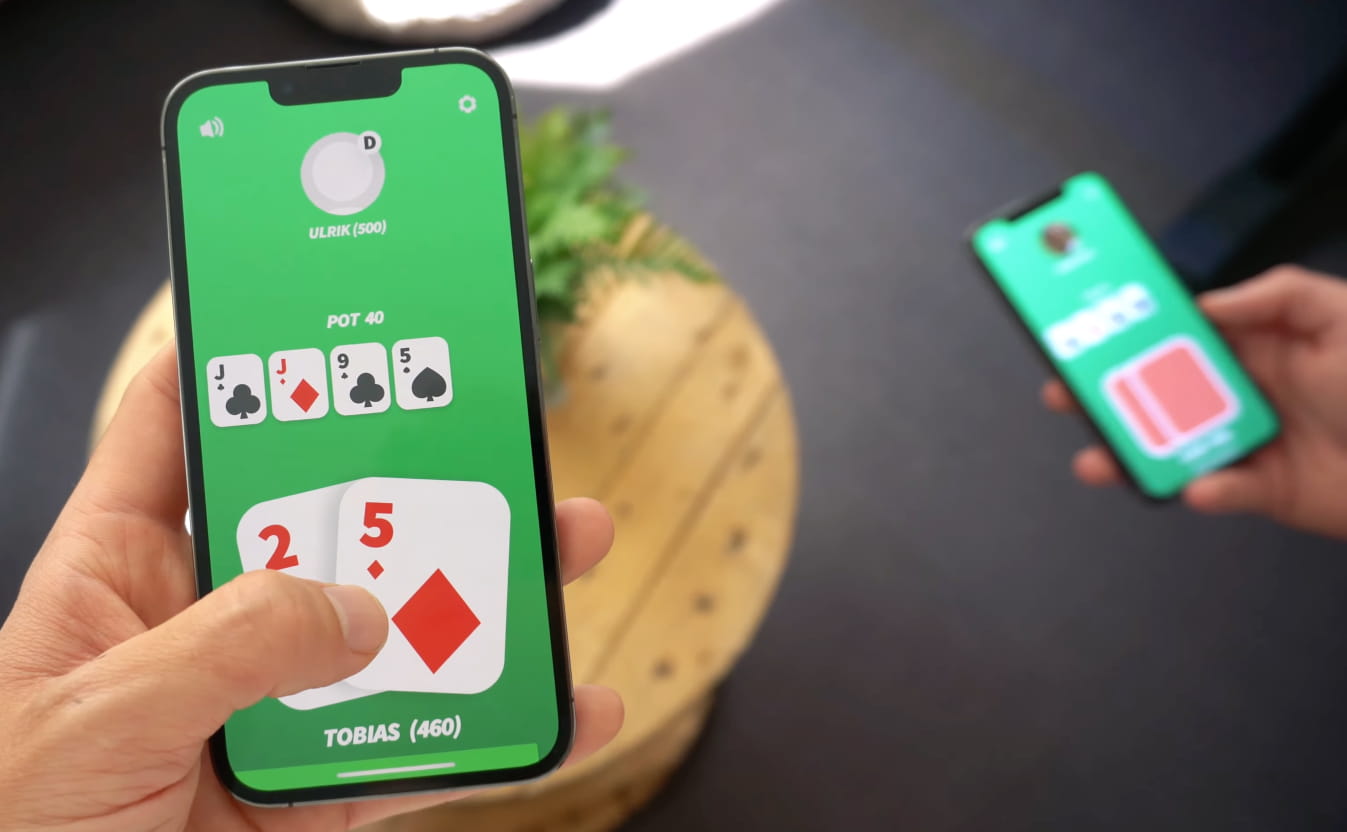
Hosting properly is fun, but it’s work, and it usually means planning weeks ahead. What about the spontaneous games, when you’re already hanging out and someone suggests poker? Odds are nobody has a poker set in their bag. That’s the gap the free EasyPoker app fills: no chips, no playing cards, no table required. Everyone joins the same private table with a four-digit game PIN, and the app deals Texas Hold’em, Omaha, Short Deck (6+) and Reverse Hold’em while counting the chips for you.


Poker Night FAQ
How many people do you need for a poker night?
Six to eight is the sweet spot for a single table. Poker works from two players upward, but below about five the hands come round too fast and it stops feeling like an event. Above eight you either need a second table or people spend a lot of the night waiting to act.
How long does a home poker tournament take?
Budget three to four hours for a tournament with six to eight players. The blind structure is what really controls the length – raising every 15 to 20 minutes keeps things moving, while longer levels can stretch a night well past midnight.
How much should the buy-in be?
Whatever the least comfortable player at the table is happy to lose without it changing the mood. That’s the only rule that matters at a home game. Agree the number before anyone sits down, collect it up front, and the rest of the night takes care of itself.
When should you raise the blinds?
Every 15 to 20 minutes suits most home games. Write the levels down before you start rather than deciding as you go, because renegotiating a blind structure halfway through a tournament is how arguments begin. If you’d rather not track it yourself, EasyPoker raises the blinds automatically on a timer.
Which poker games can you play on EasyPoker?
EasyPoker deals Texas Hold’em, Omaha, Short Deck (6+) and Reverse Hold’em. Reverse Hold’em is our own variant, where the river is dealt first and the flop comes last. For games with 4 or more players, the host needs EasyPoker Plus, which supports up to 12 and covers a full home game table with the app handling the cards, the chips and the blinds.