
We see a lot of new players make the same poker beginner mistakes.
Poker is an awesome game, easy to learn but hard to master. However, knowing these 5 poker beginner mistakes will instantly make you better at poker and separate you from the other poker beginners.
So let’s get into it.
Common Poker Beginner Mistakes
All beginning is hard, and poker is no exception. But in years of teaching friends and family to play, we’ve seen the same five beginner mistakes repeat for almost everyone.
We were certainly guilty of them ourselves when starting out. Luckily they’re quick to fix once you understand the basics of poker strategy.
1) Seeing Too Many Flops
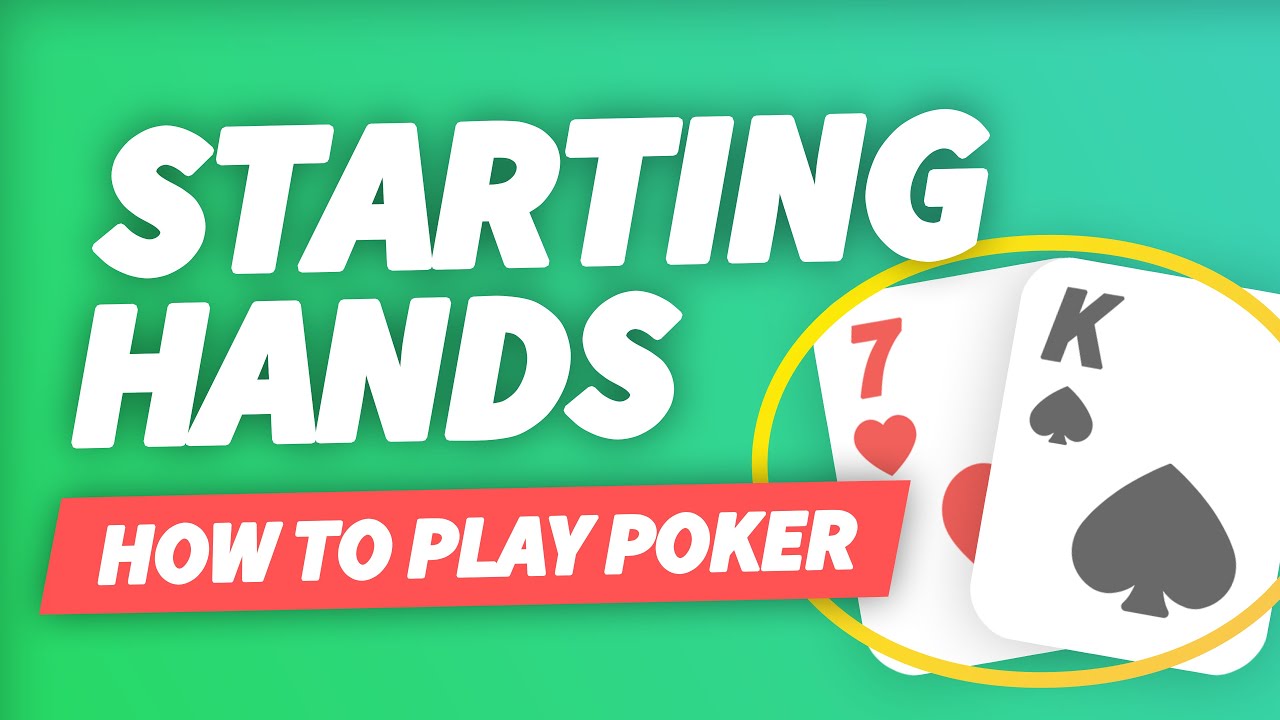
The most common beginner mistake in poker is to see too many flops. This basically means that you play too many of the hands you’re dealt.
The first decision you make after getting your cards is the most important one; are these cards you want to play or is it best to just fold them without getting invested.
Most poker beginners are too restless and curious to see what the flop will make of their hand. They just want to take part in as much action as possible. A loose playing style.
But actually, most poker pros have a very tight playing style and play only very few of the hands they’re dealt. Mathematically, there is no reason to bet chips on a bad hand, in the hopes that the community cards will turn it into something. Unless, of course, you’re trying to bluff. But you really shouldn’t bluff a lot – more on that later.
Take a minute to familiarize yourself with which cards to play and which to throw away – what we call ‘ranges’. We’ve made a three-minute video that explains the concept with lots of visual examples.
The lesson here is simple:
Stick to playing mostly good hands – don’t waste money chasing a lucky punch.
2) Bluffing Against Too Many Players
Ah, yes, bluffing. Perhaps the most recognizable and well known aspect of poker strategy. And it is a great tool. But TV and movies make it seem like every hand is a huge bluff.
In reality, good poker players don’t bluff a lot – and you shouldn’t either.
It’s fun, it’s exciting and it gives a great rush to trick someone into folding an otherwise superior hand. But you have to be smart about it.
Again, we’ve made a short video covering everything you need to know.
The main factor when deciding when to bet is not your cards but the amount of players you are bluffing against. It’s a lot easier to fool one player, than a whole table.
And if you’re bluffing against a whole group of players, chances are that at least one of them has something good enough for them to call anything.
And the last thing you want to do is get caught bluffing. The key takeaway: Limit your bluffing to when you’re up against one or two players.
3) Playing Against Much Better Players
Right when you start out, you just want to play a lot of poker. So you drive down to the local casino, or go online and sit at a digital table with strangers. We’d advise against it.
Getting schooled by poker sharks won’t teach you much beyond how fast a stack disappears. When you’re starting out, play friends and family instead.
And stay away from big-money games. You need room to make mistakes without losing your life savings along the way.
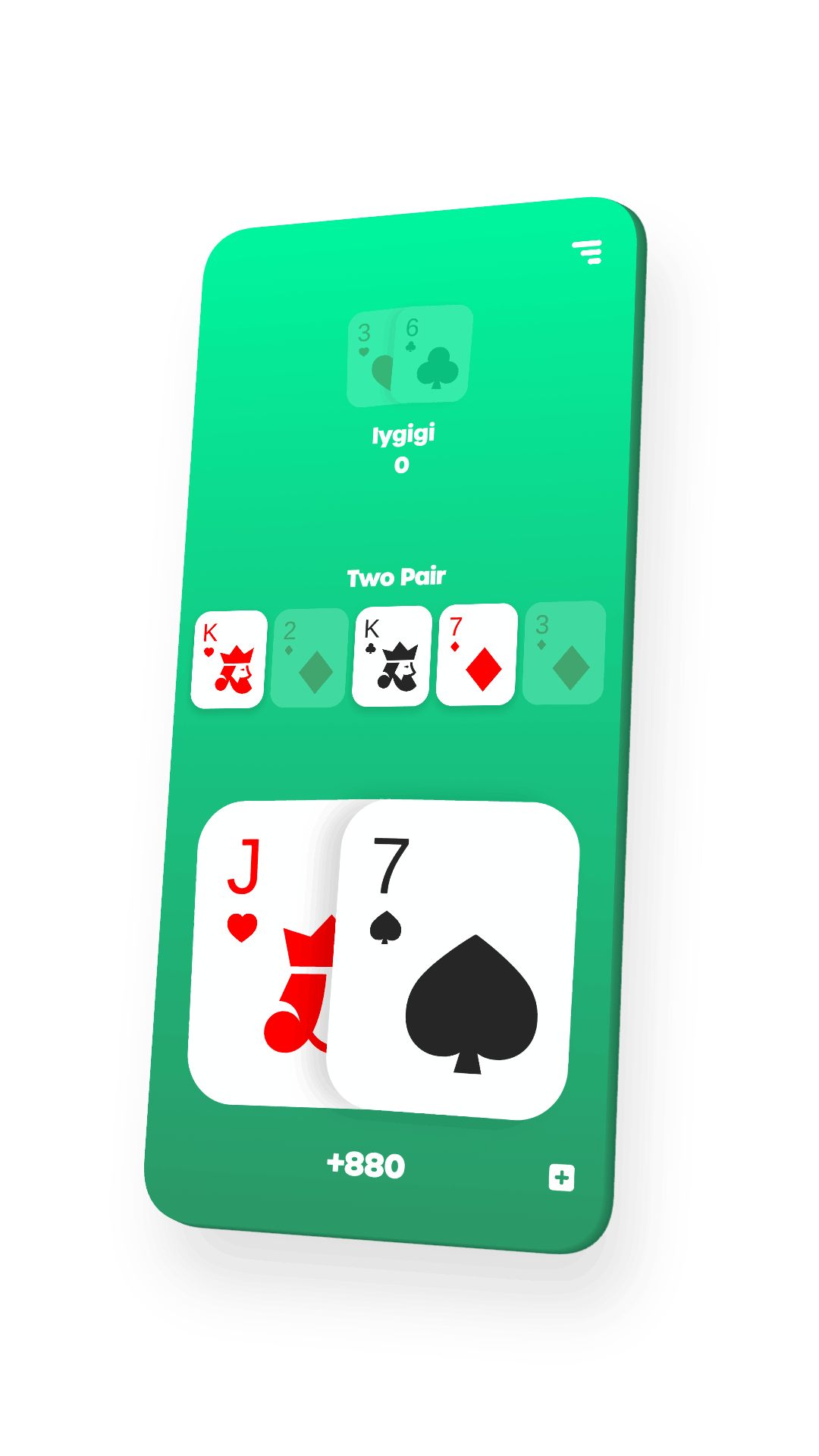
That’s exactly what our free EasyPoker app is for: an authentic game of live poker with friends, anytime, anywhere. It works as a digital version of a physical poker set, so there’s nothing to carry and no real money involved. Create a private table, share the 4-digit game PIN, and the app handles the cards, chips and dealing while you focus on learning.
Texas Hold’em is free and unlimited – plenty for the stage where you’re still working things out. For games with 4 or more players, the host needs EasyPoker Plus.
The key takeaway:
Play opponents at your own level, or ones willing to teach you. Save the big-money games for later.
4) Not Knowing the Fundamentals
A lot of new players don’t know the fundamentals of poker – and we get it. It can seem daunting from the outside.
But you really only need to scratch the surface. No need to run out and buy thick old books or pay for online courses.
A loose understanding of the basics – hand rankings, bet sizing and playing in position – will instantly elevate your game and put you miles ahead of other beginners. Our guide to how to play poker covers the rules from the top if you want them in one place.
Lucky for you, we’ve created a playlist of easy-to-understand videos covering everything you need to know in under 25 minutes, with plenty of visual examples. You can find it here.
The key takeaway:
Familiarizing yourself with just the basics of poker strategy will make a huge difference and put you miles ahead.
5) Limping
This is perhaps the most common of all poker beginner mistakes – and one that every skilled player watches for. Limping means entering a pot before the flop by just calling the big blind, instead of either raising or folding.
It’s a costly habit for two reasons. Raising gives you a chance to win the blinds there and then, without seeing a single community card; limping almost never wins a pot uncontested. And a cheap call invites everyone else in behind you, so you end up playing a mediocre hand against a crowd – which is exactly the situation mistake number two warns about.
Limping your way into seeing more community cards also reads as weakness – as if you need help from the board to make your hand good.
Players holding good cards will spot that and put you under pressure, knowing you’re unlikely to fight back. The same goes for suddenly checking and calling on the turn after betting the flop: it tells the table you’ve given up on your hand, and a decent opponent will bet you off it.
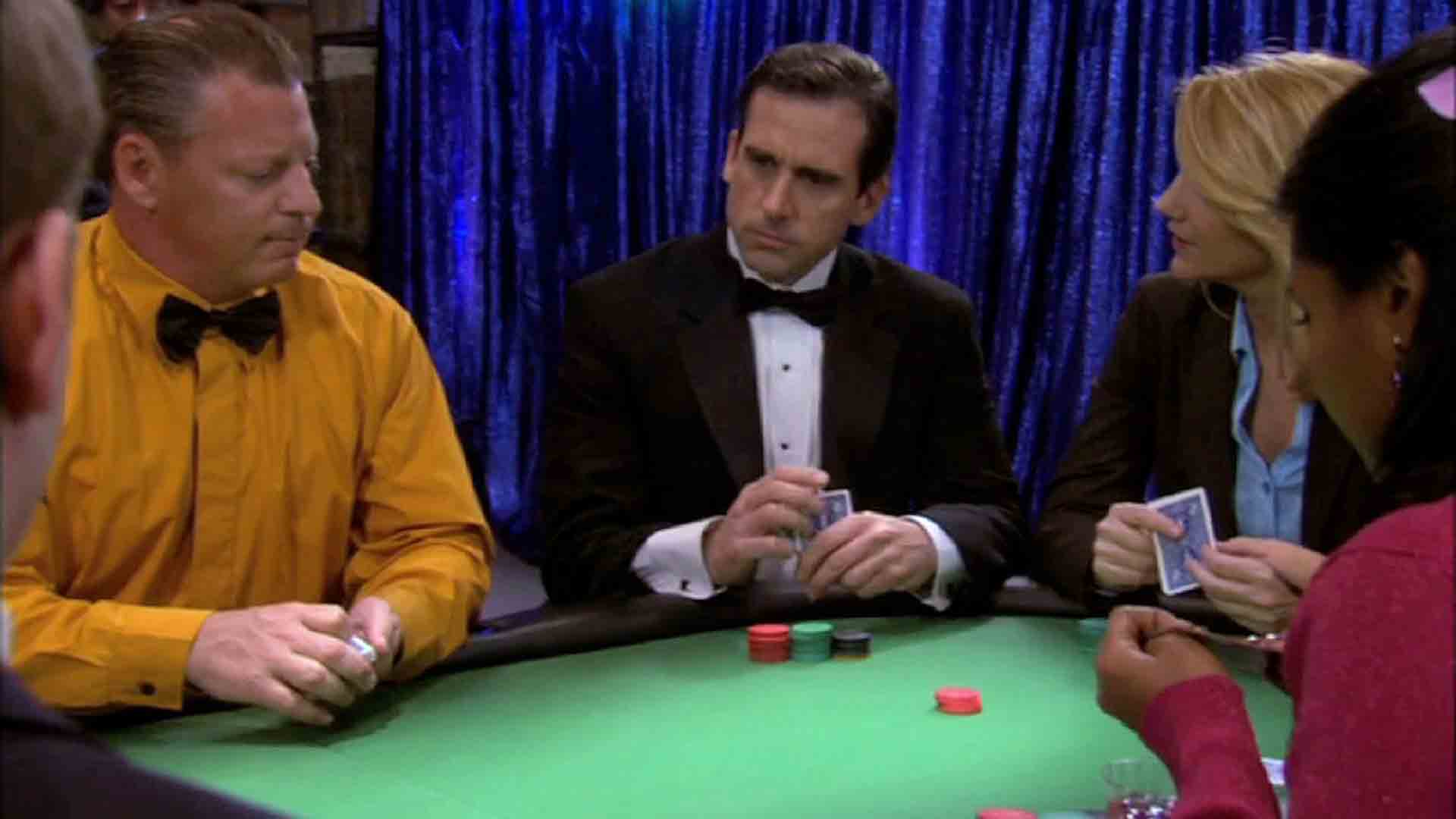
Play with conviction, and steer clear of hands that need a huge bluff to rescue them. There are advanced spots where experienced players limp on purpose, but they’re the exception – ignore them while you’re learning.
The key takeaway:
If you have good cards, bet or raise.
If you have bad cards, fold.
Don’t limp.
More Content on Poker Beginner Mistakes
We’re building a growing library of poker tips and tricks for players at every stage.
If you’re new to poker and want to get better, these are the natural next reads.
- Poker Tips for Beginners – the flip side of this post: five things to start doing, rather than stop.
- 5 Tips to Win Poker – for once the basics are second nature.
- Poker Playing Styles – tight, loose, passive, aggressive and which combination suits you.
- Important Poker Stats – the numbers that reveal whether you’ve actually stopped making these mistakes.
Poker Beginner Mistakes FAQ
What is the most common poker beginner mistake?
Seeing too many flops is the biggest one. New players tend to play far too many weak starting hands because they want to find out what the community cards will do, and those chips add up fast.
Should beginners bluff often?
No. Bluffing is part of poker, but beginners should use it sparingly. The main factor is how many opponents you are up against: bluffing one or two players is realistic, bluffing a full table rarely works because someone usually has a hand worth calling with.
Why is limping a mistake in poker?
Limping means calling the big blind preflop rather than raising. It gives up the chance to win the blinds uncontested, lets opponents in cheaply behind you, and signals that you are hoping the board improves your hand. Raising or folding is almost always the better option.
How many hands should a beginner play?
Fewer than feels natural. Beginners typically play far too wide a range, and tightening up is the single fastest improvement most new players can make. If in doubt, fold before the flop and save the chips for a hand worth playing.
How can beginners practice poker safely?
Play with friends at your own level rather than jumping into casino or big-money games. EasyPoker gives you a private table with digital cards and chips and no real money involved, so mistakes cost you nothing but the hand.