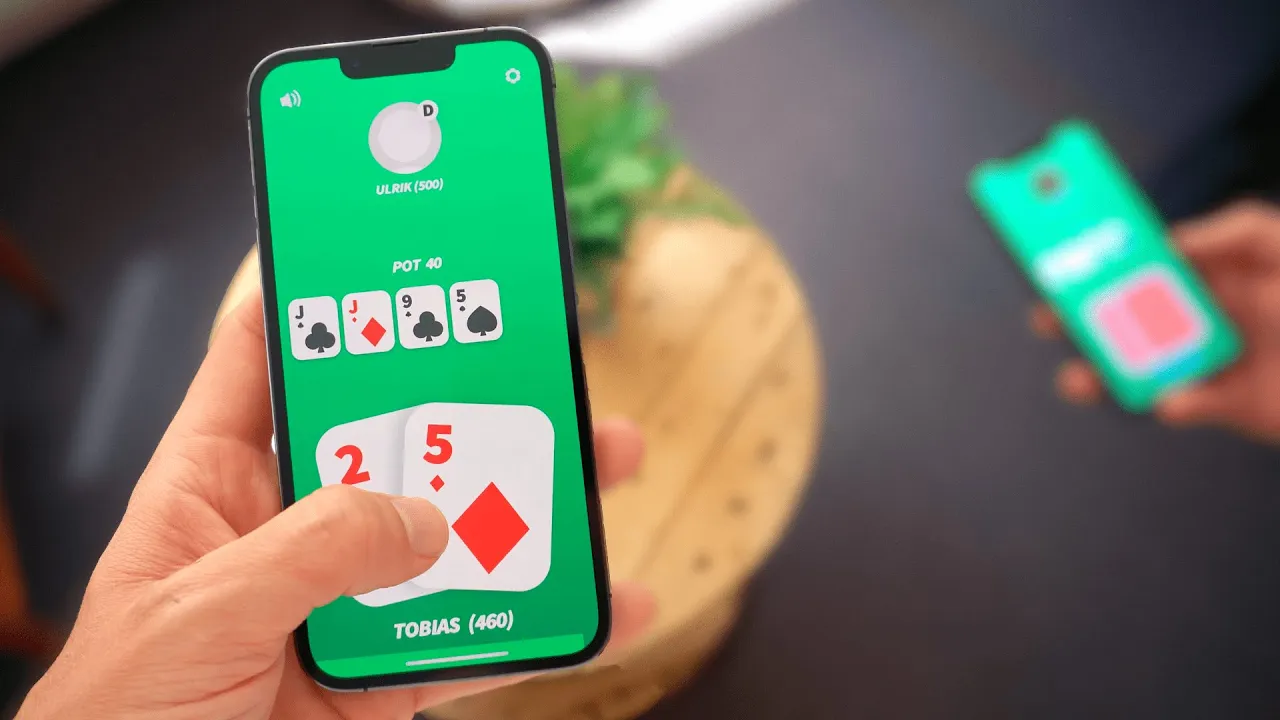
So you want to learn the most important poker stats? We’ve got you covered.
Poker is a game of skills and strategy. One thing that truly separates the good players is their understanding of key metrics: how to calculate them, read them and learn from them.
There are several important poker stats you should know, such as PFR, VPIP and aggression factor. In this guide we’ll explore these stats and explain what they mean, how to calculate them and how to use them to your advantage. If you’re still getting the basics down, start with how to play poker and the poker hand rankings – the stats make far more sense once those are second nature.
How to Track Your Poker Stats
Keeping track of your poker stats is the best and fastest way to improve your skills. Most players would be surprised to see their stats, because we often think we have one playing style and then the numbers show something else.
But the numbers don’t lie, and there are some numbers that return a higher win percentage than others. Tracking your stats is also a great way to tell if you’re improving as a poker player.
Keeping track while playing can be a hassle. You don’t want to sit there with pen and paper, writing everything down and missing the fun of a poker night. That’s why the free EasyPoker app automatically tracks everything for you.
No need for pricey third-party software. All you have to do is play your cards, then open your stats page for a quick look from time to time. We go into more detail on how that works in our guide to the free poker tracker built into the app.
Every hand gets recorded for free, and the everyday numbers – hands played, hands won, biggest pot, win rate – are free for everyone. The six pro stats in this guide are part of EasyPoker Plus, for players who want to study their game properly.
Either way you can compare a single week against your all-time numbers, which is how you tell a bad night apart from a habit.
Voluntarily Put Money In Pot (VPIP)
Voluntarily Put Money In Pot, or VPIP, shows the percentage of hands in which a player voluntarily commits money to the pot. It has to be voluntary, so blinds and antes do not count. It only looks at times a player calls, bets or raises.
A high VPIP indicates a loose player who plays many hands, while a low VPIP indicates a tighter player who plays fewer hands. It’s the first number to look at, because most of the others make more sense once you know how many hands someone is playing at all.
Every game is different, but most agree that a good VPIP is around 15–20%. This usually points toward a tight-aggressive style, which is one of the most winning styles in poker today.
How to calculate VPIP: divide the number of hands in which you voluntarily put money into the pot by the total number of hands played. For example, if you’ve played 400 hands and put money into 100 of those, your VPIP would be 25%.
EasyPoker automatically tracks your VPIP when you use the app to play with friends.
Preflop Raise (PFR)
Preflop raise, or PFR, is a poker stat that represents the percentage of hands in which a player raises before the flop. So, before they’ve seen anything but the cards in their hand.
This is an important poker stat because it indicates how aggressive a player is. Raising before the flop is considered an aggressive move. A high PFR indicates that a player is likely to raise with a wide range of starting hands, while a low PFR indicates a more passive player who only raises with strong starting hands.
Every game is different, but most players agree that a good PFR is between 10–20%. Ideally, it should be 2 or 3% lower than your VPIP. A much wider gap than that means you’re calling far more often than you’re raising.
How to calculate PFR: divide the number of hands in which you raise before the flop by the number of hands you’ve played. For example, if you raise with 80 hands out of 400 total hands, your PFR would be 20%.
If you use EasyPoker to facilitate your game – physical or digital – the app automatically tracks your PFR and displays it to you.
Aggression Factor (AF)
Aggression factor, or AF, indicates how aggressive a player is by comparing aggressive moves like bets and raises to more passive moves like checking and calling.
A high aggression factor means that a player is very aggressive, and a lower one indicates a more passive player. This stat can show a lot about a player’s style of play.
Every game is different, but in today’s poker, a good aggression factor is often around 3.
How to calculate aggression factor: divide your number of aggressive moves, like bets and raises, by the number of passive moves, like checking and calling. For example, if you’ve made 20 aggressive moves and 40 passive moves, your aggression factor would be 20 / 40 = 0.5.
Attempting to Steal (ATS)
Attempting to steal, or ATS, is when you make an aggressive move in late position to scare others into folding and thereby steal the blinds or antes.
This stat is useful because it shows how often you apply pressure when the table has folded around to you. A high ATS can be profitable when the blinds are tight, but it can also make you predictable if you overdo it.
How to calculate ATS: divide the number of times you’ve attempted to steal by the total number of opportunities to do so. For example, if you’ve played 50 hands on the button and attempted to steal the blind 20 times, your steal attempt percentage would be 40%.
Went to Showdown (WTSD)
Went to Showdown, or WTSD, shows how often you make it all the way to showdown after seeing the flop.
A high WTSD can mean that you call down too often, while a low WTSD can mean that you fold before realizing your equity. The useful number depends on your overall style, but it becomes powerful when you compare it with W$SD.
How to calculate WTSD: divide the number of hands where you went to showdown by the number of hands where you saw the flop.
Won Money at Showdown (W$SD)
Won Money at Showdown, or W$SD, shows how often you win once you get to showdown.
If your WTSD is high but your W$SD is low, you may be calling too often with weak hands. If your W$SD is very high but your WTSD is very low, you may be folding too much and only reaching showdown with very strong hands.
How to calculate W$SD: divide the number of showdowns in which you won the pot by the total number of showdowns you were part of. For example, if you went to showdown 20 times and won the pot 10 times, your W$SD would be 50%.
When you use EasyPoker, the app automatically tracks your W$SD and displays it to you.
Poker Playing Styles: What Your Stats Say About You
Individually these stats are trivia. Read together, the first three – VPIP, PFR and aggression factor – describe what kind of player you are. VPIP says how many hands you play, PFR says how often you take the lead, and the gap between them tells you how much of your poker is calling.
That produces the four classic styles – tight-passive, tight-aggressive, loose-passive and loose-aggressive – which we cover properly in our guide to poker playing styles, including how to spot each one at the table and how to play against it. Broadly: a low VPIP means you’re tight, a high one means you’re loose, and the gap between VPIP and PFR tells you how passive you are.
Most players guess wrong about which one they are, and that gap is the whole reason to track stats in the first place. EasyPoker works out your style from your own numbers and shows it to you on your profile, so you don’t have to interpret the percentages yourself. Watch it shift as your game changes.
These numbers work the same way whichever game you’re dealing. Texas Hold’em is where most of the conventional ranges above come from, but the stats are tracked identically for Omaha, Short Deck (6+) and Reverse Hold’em – just expect the healthy ranges to sit differently, since Short Deck in particular plays far looser by design.
Private Poker Games
If you and your friends are looking for an easy way to play poker with friends on a private table, we’ve got you. Try our free EasyPoker app.
EasyPoker lets you create a private poker table and invite friends with a 4-digit game PIN. You don’t need physical chips or cards to play – the app takes care of everything.
It can even track your hands and stats so you don’t have to. All you have to do is play your cards and have fun with your friends.


Important Poker Stats FAQ
What are the most important poker stats?
The most useful poker stats to understand are VPIP, PFR, aggression factor, ATS, WTSD and W$SD. Together they describe how often you enter pots, how often you raise, how aggressive you are, how often you steal, how often you reach showdown and how often you win there.
What is VPIP in poker?
VPIP means Voluntarily Put Money In Pot. It shows the percentage of hands where you voluntarily commit chips before the flop, not counting blinds or antes.
What is PFR in poker?
PFR means Preflop Raise. It shows the percentage of hands where you raise before the flop, which makes it a useful sign of preflop aggression.
What is aggression factor?
Aggression factor compares aggressive actions, like bets and raises, against passive actions, like checks and calls. A higher number usually means a more aggressive playing style.
What are WTSD and W$SD?
WTSD means Went to Showdown and shows how often you reach the end of a hand. W$SD means Won Money at Showdown and shows how often you win once you get there.
Does EasyPoker track poker stats?
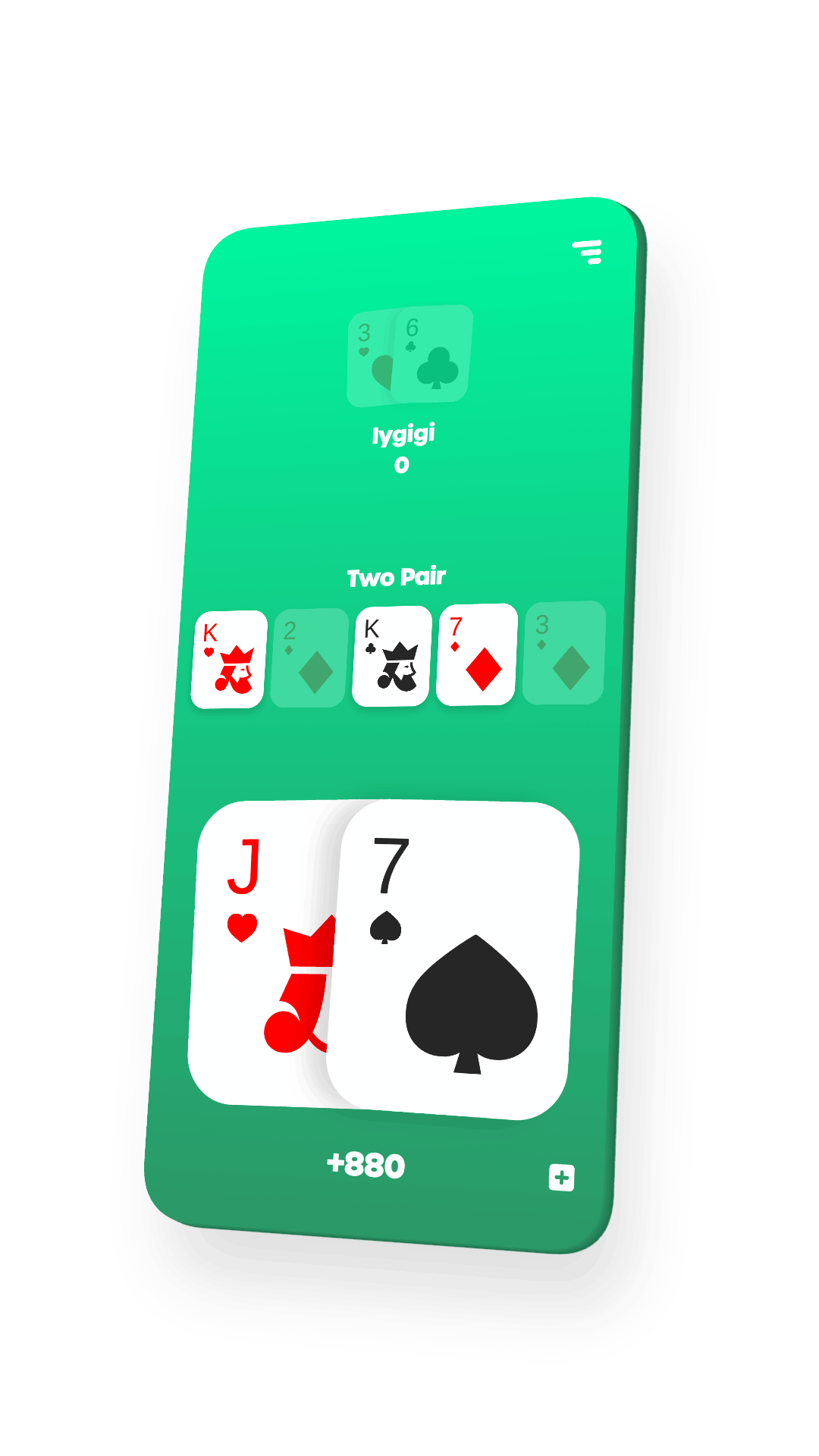
Yes. EasyPoker tracks your hands and stats automatically when you use the app to play poker with friends. Poker Passport shows stats such as VPIP, PFR, aggression factor, ATS, WTSD and W$SD.