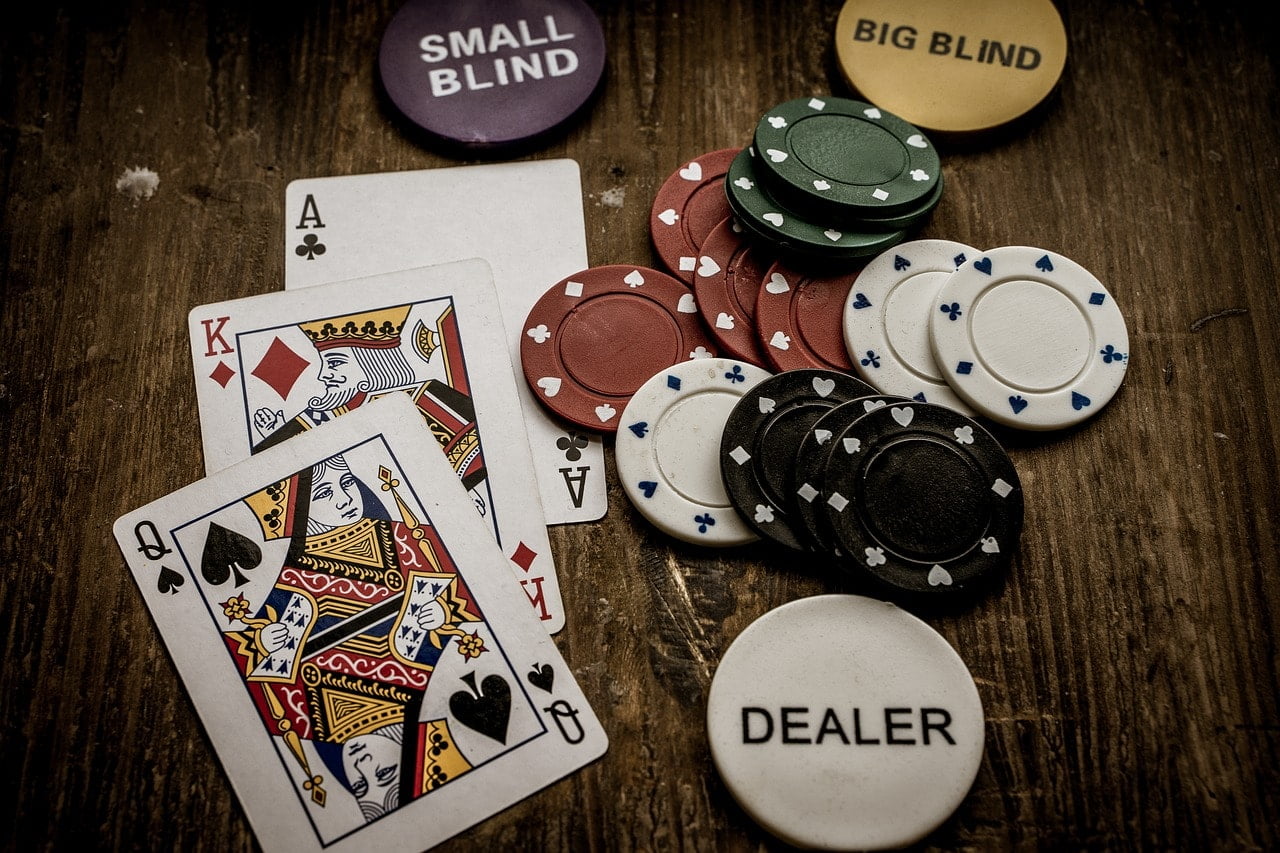
Poker connects people all over the world, but most of us who play it know surprisingly little about where it came from or how the numbers behind it actually work. So we did some digging – and a little math – and came back with six facts worth knowing. If you want the long version of the history, our history of poker covers it properly.
1. The Biggest Win Ever
In 2012, Antonio Esfandiari won $18,346,673 in the Big One for One Drop at the World Series of Poker. It remains the largest first-place prize ever paid in a poker tournament.
It’s no longer the largest single payday, though. At the 2019 Triton Million in London, Bryn Kenney is reported to have collected around $20.6 million for second place, after a deal struck heads-up – which is a strange way to out-earn every tournament winner in history.
2. The Longest Game of Poker
The most repeated version of this story says a single game ran for 8 years, 5 months and 3 days at the Bird Cage Theatre in Tombstone, Arizona. A rival claim puts an even longer game, over 14 years, at the Dun Glen Hotel in Thurmond, West Virginia.
Both are Old West legends rather than documented records, and neither has a verifiable source behind it. They’re worth repeating anyway, if only because someone at your table will insist they’re true.
3. Up for a Game of Poque?
Poker’s direct ancestor arrived with French colonists in New Orleans, who played a game called poque. It caught on quickly among the English-speaking settlers around them, and the name drifted from poque to poker. That short journey is why a French card game ended up as the most American one there is.
4. The Largest Poker Tournament in History
The largest poker tournament ever staged was an online event reported to have drawn 253,692 entrants, hosted by PokerStars with a $10,000 prize pool. An Austrian player took it down after 470 hands. For scale, the World Series of Poker Main Event – the biggest live tournament on the calendar – fields around ten thousand.
5. Why the Ace of Spades Looks Different
You’ve probably noticed the ace of spades is the fancy one, decorated where the other aces are plain. That’s a tax artifact. Under English stamp duty law – formalised by the Stamp Act of 1712 – decks were taxed, and the ace of spades was the card that had to carry the maker’s mark proving the duty had been paid.
The tax is long gone. The tradition stuck, which is why card makers still put their name and their best artwork on that one card.
6. A Royal Flush Is More Common Than You Think
Most sources put the odds of a royal flush at 649,739 to 1, and they’re right – for a five-card hand. Texas Hold’em isn’t a five-card game. You see seven cards and make the best five, which gives you far more ways to get there.
Run the numbers on seven cards and a royal flush comes in at 30,939 to 1, or about 1 in 30,940 – roughly twenty times more likely than the figure everyone quotes. Still not something to plan your evening around, but not once in a lifetime either. Our poker hands guide has the odds for every other hand, and why three of a kind beats two pair explains how rarity sets the rankings.
Now Go Use Them
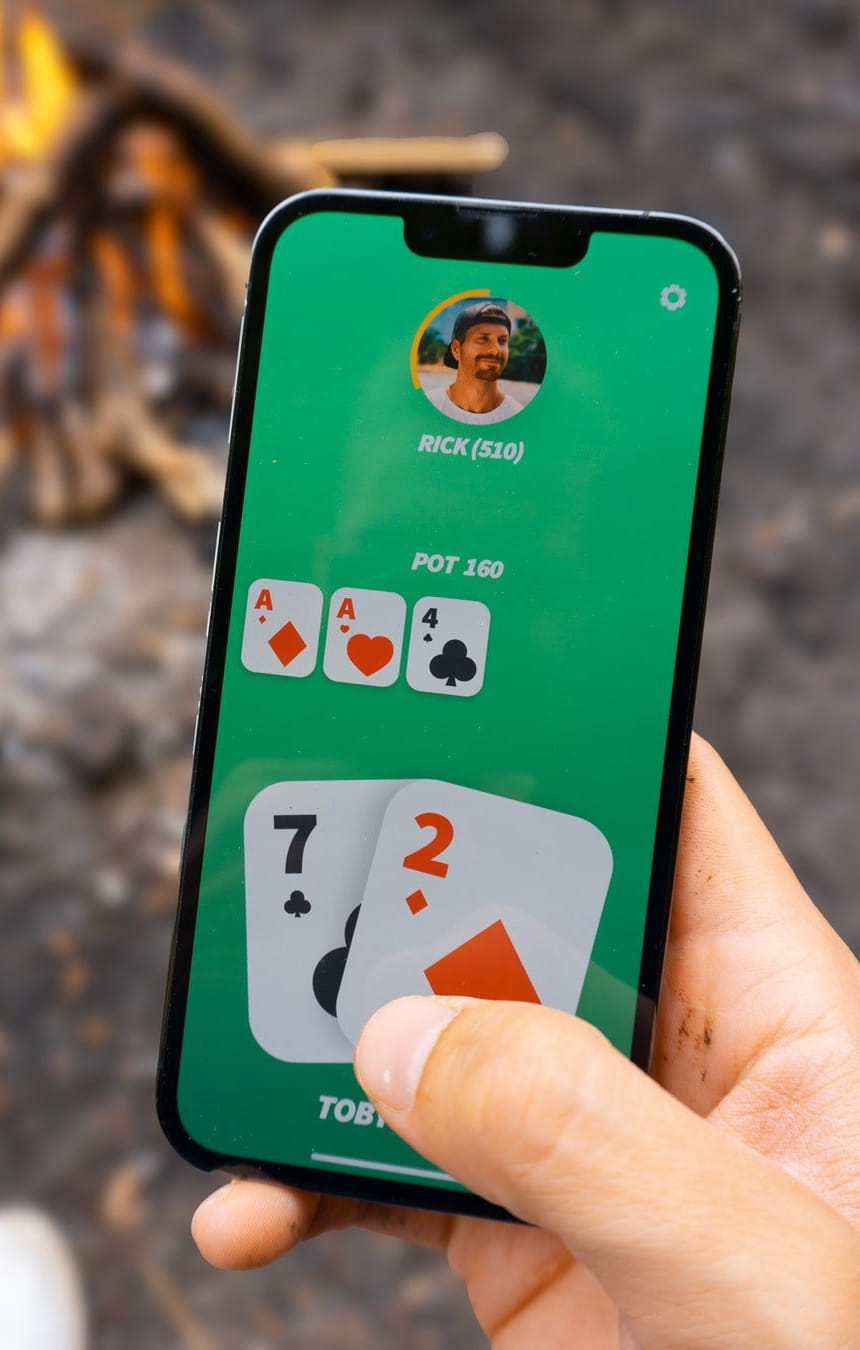
Six facts, ready to be deployed at the table with as much false modesty as you can manage. And if you need a game to deploy them at, the free EasyPoker app is a digital poker set – it deals the cards and counts the chips, so you can host one anywhere. Our guide to hosting a poker night covers the rest.


Poker Facts FAQ
What is the biggest poker tournament win ever?
Antonio Esfandiari’s $18,346,673 for winning the 2012 Big One for One Drop is still the largest first-place prize in tournament poker. The largest single payday belongs to Bryn Kenney, reported at around $20.6 million for finishing second at the 2019 Triton Million after a heads-up deal.
What are the odds of a royal flush in Texas Hold’em?
About 30,939 to 1, or 1 in 30,940. The much-quoted figure of 649,739 to 1 applies to a five-card hand. Hold’em shows you seven cards to make the best five from, which gives you roughly twenty times more chances to hit it.
Why is the ace of spades decorated differently?
Because of tax. English stamp duty law, formalised by the Stamp Act of 1712, required decks to carry a mark showing the duty had been paid, and the ace of spades was the card that carried it. The tax disappeared long ago but the tradition stayed, so card makers still put their name and best artwork there.
Where does the word poker come from?
From poque, a French card game brought to New Orleans by French colonists. It spread among English-speaking settlers nearby and the name shifted from poque to poker. Poque itself descends from the German pochen and the earlier Spanish and Italian game primero.
Which poker games can you play on EasyPoker?
EasyPoker deals Texas Hold’em, Omaha, Short Deck (6+) and Reverse Hold’em. Reverse Hold’em is our own variant, where the river is dealt first and the flop comes last. Worth noting that Short Deck changes the odds above completely, since removing the low cards makes flushes much harder and straights much easier.